

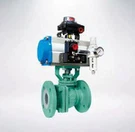
The lifespan of a diaphragm valve is a crucial consideration for industries relying on these valves for fluid control. As a diaphragm valve supplier, I've witnessed firsthand the varying lifespans of these valves and understand the factors that influence them. In this blog, I'll delve into what determines the lifespan of a diaphragm valve, share insights on extending its life, and guide you on making informed decisions when purchasing.
Understanding Diaphragm Valves
Before discussing their lifespan, let's briefly understand diaphragm valves. These valves use a flexible diaphragm to control the flow of fluid. When the diaphragm is in the closed position, it seals against the valve body, preventing fluid from passing through. When opened, the diaphragm flexes, allowing fluid to flow. Diaphragm valves are known for their excellent sealing properties, corrosion resistance, and suitability for handling corrosive, abrasive, and viscous fluids. There are different types of diaphragm valves, including Straight Type Diaphragm Valve, pneumatic diaphragm valve, and Weir Type Diaphragm Valve. Each type has its unique characteristics and applications, which can also affect its lifespan.
Factors Affecting the Lifespan of Diaphragm Valves
The lifespan of a diaphragm valve can vary significantly depending on several factors. Here are the key ones:
1. Material Quality
The materials used in the construction of the valve body and diaphragm play a vital role in determining its lifespan. High - quality materials are more resistant to wear, corrosion, and chemical attack. For the valve body, materials like stainless steel, cast iron, or PVC are commonly used. Stainless steel offers excellent corrosion resistance, making it suitable for harsh chemical environments. The diaphragm material is equally important. Rubber diaphragms are popular due to their flexibility and chemical resistance. However, the type of rubber, such as EPDM, NBR, or PTFE - lined rubber, can impact how well it withstands the fluid being handled. Using inferior materials can lead to premature failure of the valve, reducing its lifespan.
2. Fluid Characteristics
The nature of the fluid flowing through the valve has a direct impact on its lifespan. Corrosive fluids can eat away at the valve body and diaphragm over time. Abrasive fluids, such as slurries containing solid particles, can cause wear on the diaphragm and other internal components. Viscous fluids may require more force to open and close the valve, leading to increased stress on the diaphragm and actuator. Additionally, the temperature and pressure of the fluid also matter. High - temperature fluids can cause the diaphragm to degrade faster, while high - pressure applications can put more strain on the valve's sealing mechanism.
3. Operating Conditions
How the valve is operated also affects its lifespan. Frequent opening and closing cycles can cause fatigue in the diaphragm, leading to cracks and leaks. Improper installation, such as incorrect alignment or over - tightening of bolts, can also damage the valve. Inadequate maintenance, including lack of regular inspection and cleaning, can allow debris to accumulate inside the valve, affecting its performance and reducing its lifespan. On the other hand, proper operation, installation, and maintenance can significantly extend the life of the diaphragm valve.
4. Design and Manufacturing
The design of the diaphragm valve can influence its lifespan. A well - designed valve will have a balanced flow path, minimizing turbulence and reducing stress on the diaphragm. The manufacturing process also matters. Valves that are precision - made with tight tolerances are more likely to have a longer lifespan. For example, a valve with a smooth internal surface will experience less wear from fluid flow compared to one with rough surfaces.
Typical Lifespan Ranges
It's difficult to provide an exact lifespan for diaphragm valves as it depends on the factors mentioned above. However, in general, under normal operating conditions with proper maintenance, a diaphragm valve can last anywhere from 3 to 10 years. In less demanding applications, such as low - pressure water systems, the valve may last even longer. In harsh chemical or high - wear environments, the lifespan may be closer to the lower end of the range.
Extending the Lifespan of Diaphragm Valves
As a supplier, I often get asked how to extend the lifespan of diaphragm valves. Here are some practical tips:
1. Select the Right Valve
Choose a diaphragm valve that is suitable for your specific application. Consider the fluid characteristics, operating pressure, and temperature. Consult with an expert if you're unsure which type of valve and materials are best for your needs. For example, if you're handling highly corrosive chemicals, a valve with a PTFE - lined diaphragm may be a better choice.
2. Proper Installation
Ensure that the valve is installed correctly. Follow the manufacturer's installation instructions carefully. This includes proper alignment, correct torque on bolts, and appropriate piping connections. Improper installation can lead to stress on the valve, reducing its lifespan.


3. Regular Maintenance
Regular maintenance is essential for extending the life of the valve. This includes inspecting the valve for signs of wear, corrosion, or leaks. Clean the valve periodically to remove any debris or buildup. Replace the diaphragm at recommended intervals or if it shows signs of damage. Lubricate the actuator (if applicable) to ensure smooth operation.
4. Monitor Operating Conditions
Keep an eye on the operating conditions of the valve, such as pressure, temperature, and flow rate. Sudden changes in these conditions can indicate a problem and may require immediate attention. For example, a significant increase in pressure could put extra stress on the diaphragm, leading to premature failure.
Making an Informed Purchase Decision
When purchasing a diaphragm valve, it's important to consider the factors that affect its lifespan. Look for a supplier who offers high - quality valves made from reliable materials. Ask about the warranty and after - sales support. A reputable supplier will be able to provide detailed information about the valve's performance and expected lifespan. Consider the total cost of ownership, which includes not only the purchase price but also the cost of maintenance and replacement over the valve's lifespan.
Conclusion
The lifespan of a diaphragm valve is influenced by multiple factors, including material quality, fluid characteristics, operating conditions, and design. By understanding these factors and taking appropriate measures, such as proper selection, installation, and maintenance, you can extend the life of your diaphragm valve. As a diaphragm valve supplier, I'm committed to providing high - quality valves and expert advice to help you make the best choices for your applications. If you're in the market for diaphragm valves or have any questions about their lifespan and performance, I encourage you to contact me for a detailed discussion. Let's work together to ensure that your fluid control systems operate efficiently and reliably for years to come.
References
- "Valve Handbook" by Miller, R. W.
- "Fluid Control Engineering" by Blevins, R. D.
- Industry standards and guidelines related to diaphragm valves.