

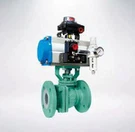
The lifespan of a ball valve is a critical consideration for industries relying on efficient fluid control systems. As a leading ball valve supplier, we understand the importance of providing durable and long - lasting products. In this article, we will explore the factors influencing the lifespan of ball valves and how to maximize their service life.
Factors Affecting the Lifespan of Ball Valves
1. Valve Design and Material
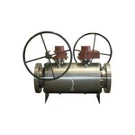
The design of a ball valve plays a fundamental role in determining its lifespan. Different types of ball valves, such as Top Entry Ball Valve, Soft Seated Ball Valve, and Trunnion Mounted Ball Valve, are engineered for specific applications.
Top entry ball valves are designed for easy maintenance and repair, as they allow access to the internal components of the valve from the top. This design feature can significantly extend the valve's lifespan as it enables quick inspection and replacement of damaged parts.
Soft seated ball valves use elastomeric materials as the sealing surface. These materials provide excellent sealing performance but may be more susceptible to wear and tear, especially when exposed to high temperatures or abrasive media. However, proper material selection, such as using high - quality fluoroelastomers, can enhance the durability of soft seated ball valves.
Trunnion mounted ball valves are designed for high - pressure applications. The trunnion design reduces the load on the valve seats, which helps in preventing seat damage and extending the valve's lifespan. The choice of materials for the valve body, ball, and seats is also crucial. For example, stainless steel is often used due to its corrosion resistance, while carbon steel is preferred for applications where high strength is required.
2. Operating Conditions
The operating conditions have a significant impact on the lifespan of a ball valve. Pressure, temperature, and the nature of the fluid being controlled are the main factors to consider.
High - pressure applications put more stress on the valve components, especially the seals and the valve body. Over time, this can lead to fatigue and failure of the valve. Ball valves are rated for specific pressure ranges, and operating them beyond these limits can drastically reduce their lifespan.
Temperature variations can also affect the performance and lifespan of ball valves. Extreme temperatures can cause thermal expansion or contraction of the valve materials, which may lead to leakage or damage to the seals. For high - temperature applications, valves with special heat - resistant materials or coatings are required.
The nature of the fluid, such as its corrosiveness, abrasiveness, and viscosity, is another important factor. Corrosive fluids can cause chemical reactions with the valve materials, leading to corrosion and degradation. Abrasive fluids can wear down the valve seats and ball surfaces, reducing the sealing efficiency. Viscous fluids may require ball valves with larger port sizes to ensure smooth flow and prevent blockages.
3. Maintenance and Installation
Proper maintenance and installation are essential for maximizing the lifespan of ball valves. Incorrect installation can lead to misalignment, uneven stress distribution, and leakage, all of which can shorten the valve's service life.
During installation, it is important to ensure that the valve is properly aligned with the pipeline and that the bolts are tightened to the correct torque. Gaskets should be installed correctly to prevent leaks. Additionally, the valve should be protected from external forces and vibrations during installation and operation.
Regular maintenance is also crucial. This includes inspecting the valve for signs of wear, corrosion, or leakage, cleaning the valve components, and lubricating the moving parts. For soft seated ball valves, the seats may need to be replaced periodically to maintain proper sealing.
Average Lifespan of Different Types of Ball Valves
While it is difficult to provide an exact lifespan for ball valves, as it depends on many factors, we can provide some general estimates based on typical operating conditions.
In normal industrial applications with moderate pressure, temperature, and non - corrosive fluids, a well - maintained ball valve can last between 10 and 20 years. However, in more demanding applications, such as those involving high - pressure, high - temperature, or corrosive fluids, the lifespan may be significantly reduced.


For example, in a chemical processing plant where the valves are exposed to highly corrosive chemicals, the lifespan of a ball valve may be as short as 2 - 5 years, even with regular maintenance. On the other hand, in a water treatment plant with relatively mild operating conditions, a ball valve can easily last 15 - 20 years.
Strategies to Extend the Lifespan of Ball Valves
1. Select the Right Valve
Choosing the appropriate ball valve for the specific application is the first step in ensuring a long lifespan. Consider factors such as the operating pressure, temperature, fluid type, and flow rate. Consult with a valve expert to determine the most suitable valve type and material.
2. Follow Installation Guidelines
Adhere to the manufacturer's installation guidelines carefully. This includes proper alignment, torque tightening of bolts, and correct gasket installation. Incorrect installation can lead to premature failure of the valve.
3. Implement a Maintenance Program
Establish a regular maintenance program for the ball valves. This should include visual inspections, leak testing, cleaning, and lubrication. Replace worn - out parts promptly to prevent further damage.
4. Monitor Operating Conditions
Keep track of the operating conditions, such as pressure, temperature, and flow rate. Any significant changes in these conditions can indicate a potential problem with the valve or the system. Take appropriate action if the operating conditions deviate from the normal range.
Conclusion
As a ball valve supplier, we are committed to providing high - quality valves that offer long - term performance. The lifespan of a ball valve is influenced by various factors, including design, operating conditions, and maintenance. By understanding these factors and implementing appropriate strategies, users can extend the service life of their ball valves and reduce the overall cost of ownership.
If you are in the market for ball valves or have questions about valve lifespan and performance, we invite you to contact us for a detailed discussion. Our team of experts is ready to assist you in selecting the right ball valve for your specific application and providing ongoing support.
References
- Valve Handbook, Technical Publishing Company
- Standards for the Design and Testing of Ball Valves, American Society of Mechanical Engineers (ASME)