

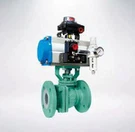
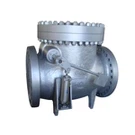
Hey there, folks! I'm a supplier of Pressure Seal Gate Valves, and today I wanna chat about one of the most important aspects of these valves: the leakage rate.
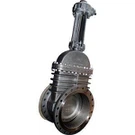
Let's start with the basics. A Pressure Seal Gate Valve is a type of valve commonly used in high - pressure systems, like in power plants, refineries, and chemical processing facilities. These valves are designed to handle extreme pressures and temperatures, making them a crucial component in industrial operations.
So, what exactly is the leakage rate of a Pressure Seal Gate Valve? Well, the leakage rate refers to the amount of fluid (liquid or gas) that escapes past the valve when it's supposed to be in the closed position. It's usually measured in units like cubic centimeters per minute (cc/min) or standard cubic feet per hour (scfh).
There are a few key factors that can affect the leakage rate of a Pressure Seal Gate Valve.
1. Valve Design
The design of the valve itself plays a huge role. For example, the seating arrangement is crucial. A well - designed seat will provide a tight seal when the valve is closed, reducing the leakage rate. Some advanced designs use double - disc or flexible - wedge gate configurations, which can adapt better to the seat, improving the sealing performance.
2. Material Quality
The materials used in the valve construction also matter a lot. High - quality materials can withstand the harsh conditions of high - pressure applications. For instance, using corrosion - resistant alloys for the valve body, gate, and seat can prevent wear and tear, which in turn helps to maintain a low leakage rate over time. As a supplier, I always make sure to source the best materials for our valves.
3. Installation and Maintenance
Proper installation is essential. If the valve is not installed correctly, it might not seal properly, leading to increased leakage. And regular maintenance is a must. Things like lubricating the stem, checking for signs of wear, and replacing worn - out parts can all contribute to keeping the leakage rate in check.
Now, let's talk about the different classes of leakage rates. Industry standards have defined various leakage classes for valves, and these help customers understand what to expect in terms of sealing performance.


Class I leakage class allows for relatively high leakage rates. It's often used in applications where a small amount of leakage is acceptable, such as in some non - critical drain or vent lines.
As you move up the classes, the allowable leakage rate decreases. Class VI is the most stringent class, where the leakage rate is extremely low, almost negligible. This class is typically required in applications where even a tiny amount of leakage can cause serious problems, like in nuclear power plants or high - purity chemical processes.
Let's take a look at some real - world scenarios. In a power plant, if a Pressure Seal Gate Valve in the steam line has a high leakage rate, it can lead to energy losses. Steam that leaks out is wasted energy, which directly impacts the plant's efficiency and bottom line. On the other hand, in a chemical plant, a leakage of hazardous chemicals can pose a serious safety risk to workers and the environment.
As a Pressure Seal Gate Valve supplier, I've seen the importance of understanding and controlling the leakage rate. That's why we offer a range of valves with different specifications to meet the diverse needs of our customers.
If you're looking for valves with reliable sealing performance, we also offer Stainless Steel Gate Valve and Bellow Sealed Gate Valve. The stainless - steel gate valves are known for their durability and corrosion resistance, while the bellow - sealed gate valves provide an extra layer of protection against leakage. You can explore our Bellow Sealed Gate Valve options for even more choices.
In our production process, we use state - of - the - art manufacturing techniques. We conduct rigorous testing on each valve to ensure it meets the specified leakage rate requirements. Our quality control team checks every valve before it leaves the factory, using advanced testing equipment like helium mass spectrometers for highly accurate leakage rate measurements.
We also provide technical support to our customers. If you have any questions about the leakage rate or how to choose the right valve for your application, our experts are here to help. Whether it's calculating the required leakage class based on your process conditions or providing advice on installation and maintenance, we've got you covered.
When you're in the market for a Pressure Seal Gate Valve, don't just focus on the price. The leakage rate is a critical factor that can have a big impact on the overall performance and cost - effectiveness of your system. A valve with a lower leakage rate might cost a bit more upfront, but it can save you a lot of money in the long run by reducing energy losses and preventing downtime due to leaks.
In conclusion, understanding the leakage rate of a Pressure Seal Gate Valve is crucial for anyone involved in industrial operations. It affects everything from efficiency and safety to cost and reliability. As a supplier, I'm committed to providing high - quality valves with low leakage rates and excellent overall performance.
If you're interested in learning more about our Pressure Seal Gate Valves or have any inquiries about your specific valve needs, don't hesitate to reach out. We're always looking forward to starting a conversation with potential customers and helping you find the perfect valve solution for your business.
References
- Valve Handbook, 4th Edition, by Libby, Monrad, and Arant.
- ASME Standards on Valves and Piping Systems.
- Industry reports on high - pressure valve applications.