

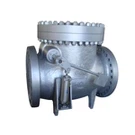
A swing type check valve is a critical component in many fluid - handling systems, widely used in industries such as oil and gas, power generation, water treatment, and chemical processing. As a leading supplier of Swing Type Check Valves, I am well - versed in their functionality and the role of each part, especially the seat. In this blog, I will delve into the function of the seat in a swing type check valve.
Sealing Function
The primary function of the seat in a swing type check valve is to provide a tight seal. When the fluid flow in the pipeline reverses, the disc of the swing type check valve swings back and comes into contact with the seat. The seat is designed to ensure a reliable seal between the disc and itself. This prevents the backflow of fluid, which is crucial in many applications.
For example, in a steam power plant, a Steam Extraction Check Valve (a type of swing type check valve) is used to prevent the backflow of steam. The seat of this valve must be able to create a hermetic seal against the disc to avoid steam leakage. Any steam backflow can cause serious problems, such as reducing the efficiency of the power generation process and potentially damaging the equipment.
The quality of the seal depends on several factors. Firstly, the material of the seat is of great importance. Common seat materials include stainless steel, bronze, and various elastomers. Stainless steel seats are known for their high strength and corrosion resistance, making them suitable for harsh environments such as chemical processing plants. Elastomer seats, on the other hand, can provide a better seal due to their flexibility, but they may have limitations in terms of temperature and chemical resistance.
Secondly, the surface finish of the seat also affects the sealing performance. A smooth and flat seat surface ensures better contact with the disc, reducing the chances of leakage. Manufacturers often use precision machining techniques to achieve the required surface finish on the seat.
Guiding the Disc
The seat also plays a role in guiding the disc of the swing type check valve. As the valve opens and closes, the seat provides a path for the disc to move along. It helps to ensure that the disc swings smoothly and accurately into the open or closed position.
In a Swing Type Check Valve, the disc rotates around a hinge pin. The seat is designed in such a way that it aligns the disc properly during its movement. This alignment is essential for the proper functioning of the valve. If the disc is not guided correctly by the seat, it may not close properly, leading to backflow.
For instance, in a water supply system, a swing type check valve is used to prevent the backflow of water. The seat guides the disc to close tightly when the water flow reverses. If the guiding function of the seat is compromised, water may leak back into the supply system, which can contaminate the clean water source.
Resistance to Wear and Erosion
In a swing type check valve, the seat is constantly exposed to the flowing fluid. This exposure can cause wear and erosion over time. The seat must be able to resist these effects to maintain its functionality.

In high - velocity fluid applications, such as in a high - pressure oil pipeline, the fluid can carry abrasive particles that can erode the seat surface. A well - designed seat is made of materials with high wear and erosion resistance. For example, tungsten carbide - coated seats are often used in such applications. The hard coating of tungsten carbide can withstand the impact of abrasive particles, extending the service life of the valve.
Moreover, the seat's design can also contribute to its resistance to wear and erosion. Some seats are designed with a contoured shape that helps to distribute the fluid flow evenly, reducing the local impact of the fluid on the seat surface.

Compatibility with Different Fluids
Another important function of the seat in a swing type check valve is to be compatible with different types of fluids. Different fluids have different chemical properties, and the seat material must be selected accordingly to avoid chemical reactions.

In a chemical processing plant, various corrosive chemicals are transported through pipelines. The seat of the swing type check valve used in these pipelines must be made of materials that are resistant to the specific chemicals. For example, if the fluid is a strong acid, a seat made of acid - resistant materials such as polytetrafluoroethylene (PTFE) may be used.
In addition to chemical compatibility, the seat must also be able to withstand the physical properties of the fluid, such as temperature and viscosity. For high - temperature applications, like in a steam system, the seat material must have good thermal stability.
Comparison with Other Check Valve Seats
Compared with the seats in other types of check valves, such as Dual Plate Check Valve, the seat in a swing type check valve has its own characteristics.
In a dual plate check valve, the seat is designed to work with two plates that pivot open and close. The seat in this type of valve needs to provide a seal for two separate plates, which requires a different design approach. The dual plate check valve seat may be more compact and lightweight compared to the swing type check valve seat, but it may have different sealing requirements.
The swing type check valve seat, on the other hand, is designed for a single, larger disc. It can provide a more substantial seal due to the larger contact area between the disc and the seat. However, this also means that the swing type check valve may be larger in size compared to a dual plate check valve.
Importance in Valve Performance
The performance of a swing type check valve is highly dependent on the function of the seat. A well - functioning seat ensures that the valve can open and close smoothly, seal tightly, and resist wear and corrosion.
If the seat fails to perform its functions, it can lead to various problems. For example, a leaky seat can cause a loss of fluid, which can be costly in terms of wasted resources. In some cases, it can also pose a safety hazard, especially in systems handling hazardous materials.
On the other hand, a high - quality seat can extend the service life of the valve, reduce maintenance costs, and improve the overall efficiency of the fluid - handling system.
Contact for Procurement
If you are in need of high - quality swing type check valves, we are here to serve you. Our valves are designed with the latest technology and high - quality materials to ensure optimal performance. Whether you need a valve for a small - scale water treatment plant or a large - scale industrial application, we have the right solution for you. Please contact us for more information and to start the procurement process.
References
- "Valve Handbook" by J. A. Sauer
- "Fluid Mechanics and Hydraulics" by R. L. Daugherty and J. B. Franzini
- Industry standards and guidelines related to check valves, such as API 594 and ASME B16.34.