

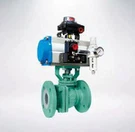
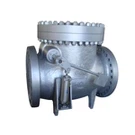
In the realm of pump systems, check valves play a crucial role that's often overlooked. As a check valve supplier, I've seen firsthand how these components can make or break a system. So, let's dive into what the function of a check valve in a pump system really is.
Basic Function: Preventing Backflow
The primary function of a check valve in a pump system is to prevent backflow. When a pump is operating, it pushes fluid in a specific direction. Once the pump stops, there's a risk that the fluid will flow back in the opposite direction. This backflow can cause a whole host of problems, such as damage to the pump, reduced efficiency, and even system failure.
A check valve acts as a one - way gate. It allows fluid to flow freely in the forward direction, but when the flow tries to reverse, the valve closes. For example, in a water pumping system for a building, the check valve ensures that water pumped up to the upper floors doesn't flow back down when the pump shuts off. This not only saves energy but also protects the pump from unnecessary wear and tear.
Types of Check Valves and Their Functions
There are several types of check valves, each with its own unique features and functions.
Swing Check Valve
Swing check valves are one of the most common types. They have a hinged disc that swings open to allow forward flow and closes under the force of gravity and reverse flow. These valves are relatively simple in design and are suitable for a wide range of applications. However, they can be a bit slow to close, which might lead to some minor backflow in certain situations.
Lift Check Valve
Lift check valves use a piston or a ball that is lifted off its seat to allow forward flow. When the flow reverses, the piston or ball drops back onto the seat, closing the valve. Lift check valves are known for their tight shut - off and are often used in applications where preventing even the slightest backflow is critical, such as in high - pressure systems.
Ball Float Pattern Rubber Lined Check Valve
This type of check valve uses a ball float mechanism. The ball is buoyant and rises with the fluid level to allow forward flow. When the flow reverses, the ball drops and seals the valve opening. The rubber lining provides a good seal and also protects the valve from corrosion. These valves are commonly used in water treatment plants and other applications where the fluid contains corrosive substances.
Dual Plate Check Valve
Dual plate check valves have two semicircular plates that pivot open to allow flow. They are compact and have a quick closing action, which helps to minimize backflow. These valves are often used in pipelines where space is limited and a fast - acting check valve is required.


Importance in Different Pump System Applications
The function of check valves is vital in various pump system applications.
Water Supply Systems
In municipal water supply systems, check valves are essential for maintaining the pressure and preventing contamination. They ensure that water flows in the right direction from the treatment plant to the consumers. If there were no check valves, water could flow back into the treatment plant, potentially carrying contaminants and causing health risks.
Oil and Gas Industry
In the oil and gas industry, check valves are used in pumping systems to prevent the backflow of oil or gas. This is crucial for safety reasons, as backflow can lead to pressure build - up, which could result in explosions or leaks. Check valves also help to maintain the efficiency of the pumping systems by ensuring that the fluid is pumped in the right direction.
Chemical Processing Plants
Chemical processing plants deal with a variety of corrosive and hazardous chemicals. Check valves are used to prevent the backflow of these chemicals, which could damage the equipment and pose a risk to the workers. The choice of check valve material is especially important in these applications to ensure compatibility with the chemicals being handled.
Damping Device Check Valve and Its Function
Some check valves are equipped with a damping device. The function of a damping device in a check valve is to reduce the impact of the valve closing. When a check valve closes suddenly, it can create a water hammer effect, which is a pressure surge that can damage the pipeline and the valve itself.
The damping device slows down the closing process of the valve, allowing the pressure to equalize gradually. This not only protects the pipeline and the valve but also reduces noise and vibration in the system. For example, in a large - scale water pumping system, a damping device check valve can prevent the water hammer effect, which could otherwise cause pipes to burst.
Choosing the Right Check Valve for Your Pump System
As a check valve supplier, I often get asked how to choose the right check valve for a pump system. Here are some factors to consider:
Flow Rate
The flow rate of the pump system determines the size and capacity of the check valve. A valve that is too small for the flow rate will cause excessive pressure drop, while a valve that is too large may not close properly.
Pressure
The operating pressure of the system is another important factor. High - pressure systems require check valves that can withstand the pressure and provide a tight seal.
Fluid Type
The type of fluid being pumped also matters. Corrosive fluids require check valves made of materials that are resistant to corrosion, such as stainless steel or rubber - lined valves.
Installation Space
The available installation space can limit the choice of check valve. For example, if space is limited, a dual plate check valve might be a better option than a swing check valve.
Conclusion
In conclusion, the function of a check valve in a pump system is to prevent backflow, which is essential for the proper operation, efficiency, and safety of the system. There are different types of check valves, each with its own advantages and suitable applications. Whether you're dealing with a water supply system, an oil and gas pipeline, or a chemical processing plant, choosing the right check valve is crucial.
As a check valve supplier, we offer a wide range of high - quality check valves to meet your specific needs. If you're looking for a reliable check valve for your pump system, don't hesitate to contact us for more information and to discuss your requirements. We're here to help you find the perfect solution for your pumping needs.
References
- Pump Handbook, 4th Edition, by Igor J. Karassik et al.
- Valve Selection Handbook, by Hans D. Baumann.
- Chemical Engineering Handbook, 8th Edition, by Perry and Green.