

When it comes to industrial fluid control, ball valves are a common choice due to their reliability, durability, and ease of operation. However, not all ball valves are created equal. In this blog post, I'll explore the differences between a PFA lined ball valve and a regular ball valve, drawing on my experience as a PFA Lined Ball Valve supplier.
Construction and Materials
Regular ball valves typically consist of a body, a ball, a stem, and seats. The body and ball are usually made of metal materials such as stainless steel, carbon steel, or brass. The seats can be made of various materials, including elastomers for Soft Seated Ball Valve or metal for Seated Ball Valve. These materials provide good mechanical strength and are suitable for a wide range of applications.
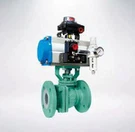
On the other hand, a PFA Lined Ball Valve has a unique construction. The interior surface of the valve body, the ball, and sometimes the stem are lined with Perfluoroalkoxy (PFA). PFA is a fluoropolymer known for its excellent chemical resistance, non - stick properties, and high - temperature stability. This lining acts as a protective barrier between the process fluid and the metal components of the valve, preventing corrosion and contamination.
Chemical Resistance
One of the most significant differences between a PFA lined ball valve and a regular ball valve lies in their chemical resistance. Regular ball valves, depending on the material of construction, may be susceptible to corrosion when exposed to certain chemicals. For example, a carbon steel ball valve can rust when in contact with water or acidic solutions, which can lead to valve failure over time.
PFA lined ball valves, however, offer superior chemical resistance. PFA is inert to most chemicals, including strong acids, bases, and organic solvents. This makes PFA lined ball valves ideal for use in chemical processing plants, pharmaceutical manufacturing, and other industries where aggressive chemicals are handled. They can withstand the harsh chemical environments without degradation, ensuring long - term performance and reliability.
Temperature and Pressure Ratings
Regular ball valves can handle a wide range of temperatures and pressures, depending on their design and material. Metal ball valves can typically operate at high pressures and moderate to high temperatures. For instance, stainless steel ball valves can handle pressures up to several thousand pounds per square inch (psi) and temperatures ranging from - 20°C to 200°C or even higher in some cases.


PFA lined ball valves have different temperature and pressure limitations. While PFA has good high - temperature stability, it has a lower maximum operating temperature compared to some metals. Generally, PFA lined ball valves can operate at temperatures up to around 260°C. In terms of pressure, the lining can affect the pressure - handling capacity of the valve. The PFA lining needs to be properly designed and installed to ensure that it can withstand the internal pressure without delamination or damage. However, modern PFA lined ball valves are engineered to handle a wide range of pressures, making them suitable for many industrial applications.
Flow Characteristics
Both regular ball valves and PFA lined ball valves offer excellent flow characteristics. A ball valve operates by rotating a ball with a hole in the center to control the flow of fluid. When the ball is turned so that the hole aligns with the flow path, the valve is fully open, providing a straight - through flow with minimal resistance.
However, the PFA lining can have a slight impact on the flow characteristics. The lining adds a small amount of thickness to the internal surface of the valve, which may slightly reduce the flow area compared to a regular ball valve of the same nominal size. But in most cases, this reduction is negligible, and the PFA lined ball valve still provides efficient flow control.
Applications
Regular ball valves are widely used in a variety of industries, including oil and gas, water treatment, and HVAC systems. They are suitable for applications where the fluid is relatively non - corrosive and the operating conditions are not extremely harsh. For example, in a water distribution system, a regular stainless steel ball valve can be used to control the flow of water effectively.
PFA lined ball valves are specifically designed for applications where chemical resistance is crucial. They are commonly used in the chemical industry for handling corrosive chemicals such as hydrochloric acid, sulfuric acid, and sodium hydroxide. In the pharmaceutical industry, PFA lined ball valves are used to ensure the purity of the process fluids and prevent contamination. They are also used in semiconductor manufacturing, where ultra - clean and corrosion - resistant valves are required.
Cost Considerations
Regular ball valves are generally more cost - effective than PFA lined ball valves. The materials used in regular ball valves are more commonly available and less expensive to manufacture. Additionally, the manufacturing process for regular ball valves is relatively straightforward, which helps to keep the costs down.
PFA lined ball valves, on the other hand, are more expensive. The PFA lining material is relatively costly, and the process of lining the valve components requires specialized equipment and techniques. However, when considering the long - term cost, PFA lined ball valves can be a more economical choice in applications where corrosion and contamination are major concerns. The longer service life and reduced maintenance requirements of PFA lined ball valves can offset the initial higher cost.
Maintenance and Longevity
Regular ball valves require regular maintenance to ensure their proper functioning. This may include lubrication of the stem and seals, inspection for wear and tear, and replacement of damaged components. Over time, the metal components of a regular ball valve can corrode or wear out, especially in harsh environments, which may lead to leaks or reduced performance.
PFA lined ball valves have a longer service life and require less maintenance. The PFA lining protects the metal components from corrosion, reducing the risk of valve failure. The non - stick properties of PFA also prevent the build - up of debris and contaminants inside the valve, which can extend the valve's lifespan. However, it is still important to perform regular inspections to ensure that the lining is intact and there are no signs of damage.
Conclusion
In conclusion, the differences between a PFA lined ball valve and a regular ball valve are significant. While regular ball valves are a reliable and cost - effective choice for many applications, PFA lined ball valves offer superior chemical resistance, making them ideal for handling aggressive chemicals. They also have unique temperature and pressure ratings, flow characteristics, and maintenance requirements.
If you are in an industry where chemical resistance is a top priority, or if you need to ensure the purity of your process fluids, a PFA lined ball valve may be the right choice for you. As a PFA Lined Ball Valve supplier, I have the expertise and experience to provide you with high - quality valves that meet your specific requirements. If you are interested in learning more about our PFA lined ball valves or have any questions regarding valve selection, please feel free to contact us for further discussion and procurement negotiation.
References
- "Valve Handbook" by J. Bjorklund
- "Chemical Resistance of Fluoropolymers" by T. G. Smith
- Industry standards and guidelines for ball valve manufacturing and application