

What is the difference between a check valve and a relief valve?
As a seasoned check valve supplier, I often encounter inquiries from clients about the differences between check valves and relief valves. Both types of valves play crucial roles in fluid control systems, but they serve distinct purposes and operate in unique ways. In this blog post, I'll delve into the key differences between these two essential components, shedding light on their functions, applications, and design features.
Function and Purpose
The primary function of a check valve is to allow fluid to flow in one direction while preventing backflow. It acts as a one - way gate, ensuring that the fluid moves only in the intended direction. Check valves are crucial in systems where backflow can cause damage, such as in pumping systems, pipelines, and industrial processes. For example, in a water supply system, a check valve prevents water from flowing back into the well or reservoir when the pump stops, maintaining the pressure in the system and preventing water hammer.
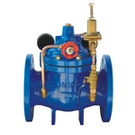
On the other hand, a relief valve is designed to protect a system from over - pressure. When the pressure in a system exceeds a pre - set limit, the relief valve opens to release the excess pressure, preventing damage to the system components. Relief valves are commonly used in boilers, pressure vessels, and hydraulic systems. For instance, in a steam boiler, a relief valve ensures that the pressure inside the boiler does not reach dangerous levels, safeguarding the boiler and the surrounding environment.
Working Principle
Check valves operate automatically based on the pressure difference across the valve. When the pressure on the inlet side is higher than the pressure on the outlet side, the valve opens, allowing fluid to flow through. When the pressure on the outlet side becomes higher, the valve closes, preventing backflow. There are several types of check valves, each with its own working mechanism.
- Dual Plate Check Valve: The Dual Plate Check Valve consists of two semicircular plates that pivot on a hinge. When the fluid flows in the forward direction, the plates swing open. When the flow reverses, the plates swing back to the closed position, sealing the valve. This type of check valve is known for its compact design and quick closing action, which helps to prevent water hammer.
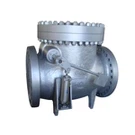
- Swing Type Check Valve: The Swing Type Check Valve has a disc that is hinged at the top. As the fluid flows forward, the disc swings open, allowing the fluid to pass. When the flow stops or reverses, the disc swings back under its own weight and the force of the reverse flow, closing the valve. Swing check valves are suitable for large - diameter pipes and applications where a low - pressure drop is required.
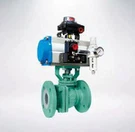
- Ball Float Pattern Rubber Lined Check Valve: The Ball Float Pattern Rubber Lined Check Valve uses a ball as the closing element. When the fluid flows forward, the ball is lifted off its seat, allowing the fluid to flow. When the flow reverses, the ball is forced back onto the seat by the reverse flow and gravity, closing the valve. The rubber lining provides a good seal and reduces wear and tear.
Relief valves, however, operate based on a pre - set pressure. They have a spring - loaded mechanism or a weighted lever that keeps the valve closed under normal operating conditions. When the pressure in the system exceeds the set pressure, the force exerted by the fluid overcomes the force of the spring or the weight, causing the valve to open. Once the pressure drops below the set level, the valve closes again.
Design and Construction
Check valves are generally simpler in design compared to relief valves. They typically consist of a body, a closing element (such as a disc, ball, or plate), and a seat. The body is usually made of materials such as cast iron, stainless steel, or brass, depending on the application and the fluid being handled. The closing element and the seat are designed to provide a tight seal to prevent leakage.
Relief valves, on the other hand, are more complex in design. They require precise calibration to ensure that they open and close at the correct pressure. In addition to the body, closing element, and seat, relief valves often have additional components such as springs, diaphragms, and pilots. These components are carefully engineered to control the opening and closing of the valve and to provide accurate pressure relief.
Applications
Check valves are widely used in a variety of industries and applications. They are commonly found in water treatment plants, oil and gas pipelines, chemical processing plants, and power generation facilities. In water treatment plants, check valves are used to prevent the backflow of treated water into the raw water supply. In oil and gas pipelines, they are used to prevent the reverse flow of oil or gas, which can cause damage to the pipeline and equipment.


Relief valves are mainly used in applications where over - pressure protection is critical. They are essential in industries such as steam power generation, petrochemicals, and food and beverage processing. In steam power generation, relief valves protect the boilers and turbines from over - pressure, ensuring the safe and efficient operation of the power plant. In the petrochemical industry, relief valves are used in pressure vessels and pipelines to prevent explosions and other safety hazards.
Maintenance and Inspection
Check valves require relatively less maintenance compared to relief valves. Regular inspection of the check valve for any signs of wear, corrosion, or damage to the closing element and the seat is recommended. If the valve is not closing properly or is leaking, it may need to be repaired or replaced.
Relief valves, on the other hand, require more frequent maintenance and inspection. They need to be calibrated regularly to ensure that they open at the correct pressure. In addition, the springs and other components of the relief valve need to be checked for wear and tear. Any signs of leakage or malfunction should be addressed immediately to ensure the safety of the system.
Conclusion
In summary, check valves and relief valves are two distinct types of valves with different functions, working principles, designs, and applications. Check valves are used to prevent backflow, while relief valves are used to protect systems from over - pressure. Understanding the differences between these two types of valves is crucial for selecting the right valve for your specific application.
If you are in the market for high - quality check valves, I invite you to reach out for a detailed discussion about your requirements. Our team of experts is ready to assist you in choosing the most suitable check valve for your project. Whether you need a Dual Plate Check Valve, a Swing Type Check Valve, or a Ball Float Pattern Rubber Lined Check Valve, we have the expertise and the products to meet your needs. Contact us today to start the procurement process and ensure the efficient and safe operation of your fluid control system.
References
- "Valve Handbook" by Peter Spitzer
- "Fluid Mechanics and Thermodynamics of Turbomachinery" by S. L. Dixon
- Industry standards and guidelines related to check valves and relief valves.