

Hey there! As a butterfly valve supplier, I often get asked about the cost of butterfly valves. Well, the cost isn't a one - size - fits - all deal. It can vary widely based on a bunch of factors. Let's dive into what affects the price and break it down so you have a better idea of what you're paying for.
Valve Type
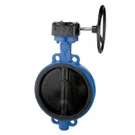
First off, the type of butterfly valve plays a huge role in determining its cost. We've got different types like the triple offset Butterfly Valve, the High Performance Butterfly Valve, and the Teflon Lined Butterfly Valve.
The triple offset Butterfly Valve is a high - end option. It's designed with three different offsets, which gives it a unique sealing mechanism. This type of valve is great for applications where a tight shut - off is crucial, like in high - pressure and high - temperature systems. Because of its complex design and the materials used to ensure durability under extreme conditions, it usually comes with a higher price tag.
On the other hand, the High Performance Butterfly Valve is engineered for applications that require good flow control and reliable operation. It offers better performance than standard butterfly valves, with features like improved sealing and reduced torque requirements. These enhancements do add to the cost, but it's often a more affordable option compared to the triple offset valve, especially for medium - pressure and medium - temperature applications.
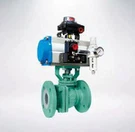
The Teflon Lined Butterfly Valve is another specialized type. The Teflon lining provides excellent chemical resistance, making it ideal for handling corrosive fluids. The cost of this valve is influenced by the cost of the Teflon material and the process of applying the lining. It's more expensive than a basic butterfly valve but is a must - have for industries dealing with harsh chemicals.
Size
Size matters when it comes to butterfly valves. Larger valves generally cost more than smaller ones. This is because they require more raw materials to manufacture. A bigger valve needs a larger disc, body, and other components. Also, the manufacturing process for larger valves can be more complex and time - consuming. For example, machining a large valve body to the required specifications takes more effort and precision. So, if you're looking at a 24 - inch butterfly valve compared to a 2 - inch one, expect to pay a significantly higher price for the bigger one.
Material
The material used to make the butterfly valve is a major cost factor. Valves can be made from a variety of materials, including cast iron, carbon steel, stainless steel, and exotic alloys.
Cast iron is one of the most affordable materials. It's strong and has been used in valve manufacturing for a long time. However, it may not be suitable for all applications, especially those involving corrosive substances.
Carbon steel is a popular choice as it offers a good balance between cost and performance. It's stronger than cast iron and can handle higher pressures. But it may require some form of corrosion protection, like painting or coating, which can add to the overall cost.
Stainless steel is more expensive than carbon steel. It's highly resistant to corrosion, making it suitable for applications in the food, beverage, and chemical industries. The cost of stainless steel is driven by the price of the raw materials and the manufacturing processes involved to ensure its corrosion - resistant properties.
Exotic alloys, such as titanium or nickel - based alloys, are used in very specialized applications where extreme corrosion resistance or high - temperature performance is required. These materials are extremely expensive, and valves made from them can cost several times more than those made from more common materials.
Pressure Rating
The pressure rating of a butterfly valve also affects its cost. A valve designed to handle high pressures needs to be built more robustly. It requires thicker walls, stronger seals, and more durable components. For instance, a valve with a pressure rating of 600 psi will cost more than one with a 150 psi rating. The extra engineering and testing required to ensure the valve can safely operate at high pressures contribute to the increased cost.


Quantity
If you're buying butterfly valves in bulk, you can usually get a better price per unit. Manufacturers and suppliers often offer volume discounts. When you order a large quantity, it becomes more cost - effective for them to produce and ship the valves. They can spread out the fixed costs, such as setup costs for production and shipping fees, over a larger number of units. So, if your project requires multiple valves, it's worth considering buying in bulk to save some money.
Additional Features
Some butterfly valves come with additional features that can increase the cost. For example, a valve with an automated actuator, such as an electric or pneumatic actuator, will be more expensive than a manually operated valve. The actuator adds the ability to control the valve remotely, which is very useful in industrial processes where automation is key.
Valves with special coatings or linings, other than the Teflon lining we mentioned earlier, can also cost more. These coatings can provide additional protection against wear, corrosion, or improve the flow characteristics of the valve.
Market Conditions
Market conditions can also have an impact on the cost of butterfly valves. Fluctuations in the price of raw materials, such as steel and other metals, can cause the cost of valves to go up or down. If there's a shortage of a particular material, the price of valves made from that material will likely increase.
Competition in the market also plays a role. In a highly competitive market, suppliers may offer lower prices to attract customers. On the other hand, if there are only a few suppliers for a particular type of valve, the prices may be higher.
Installation and Maintenance
When considering the cost of a butterfly valve, it's important to also think about the installation and maintenance costs. Some valves are easier to install than others. A valve that requires special tools or a lot of labor to install will add to the overall cost.
Maintenance costs can vary depending on the valve type and material. For example, a valve made from a corrosion - resistant material may require less maintenance over its lifetime, which can save you money in the long run. Valves with complex features may also require more specialized maintenance, which can be more expensive.
So, as you can see, the cost of a butterfly valve is influenced by many factors. It's not just about the initial purchase price but also the long - term costs associated with installation, maintenance, and performance. If you're in the market for butterfly valves, I'd be happy to help you find the right valve for your application at a competitive price. Whether you need a small, basic valve or a large, high - performance one, we've got options. Just reach out to us to start the procurement process and let's discuss your specific requirements.
References
- Valve Handbook, various editions
- Industry reports on valve manufacturing and pricing trends