

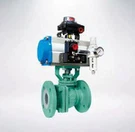
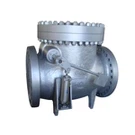
A single disc gate valve is a fundamental component in many industrial fluid control systems. As a leading gate valve supplier, I am well - versed in the intricacies of this type of valve and its various applications.
Structure and Working Principle
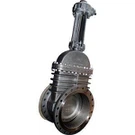
The single disc gate valve consists of a valve body, a gate (the single disc), a stem, and a bonnet. The valve body provides the housing for the internal components and is designed to be connected to the pipeline system. The gate, which is a flat or wedge - shaped disc, is the key element that controls the flow of fluid. When the valve is opened, the gate is lifted out of the flow path, allowing fluid to pass through the valve with minimal resistance. Conversely, when the valve is closed, the gate is lowered into the valve seat, creating a tight seal that prevents fluid from flowing.
The stem is used to operate the gate. There are two main types of stems: rising stems and non - rising stems. In a rising stem gate valve, the stem moves up and down as the valve is opened and closed, providing a visual indication of the valve's position. Non - rising stem gate valves, on the other hand, have a stem that rotates but does not move axially. This type of stem is often used in applications where space is limited.
The bonnet is the part that covers the top of the valve body and provides a seal to prevent leakage. It also houses the packing material that seals around the stem to prevent fluid from escaping along the stem.
Advantages of Single Disc Gate Valves
One of the primary advantages of single disc gate valves is their low pressure drop. When fully open, the gate is completely out of the flow path, resulting in a straight - through flow with very little obstruction. This makes them ideal for applications where a high flow rate and minimal energy loss are required.
Another advantage is their ability to provide a tight shut - off. The gate fits snugly into the valve seat, creating a reliable seal that can prevent the flow of fluids even under high pressure. This makes single disc gate valves suitable for applications where leakage cannot be tolerated, such as in the oil and gas industry or in chemical processing plants.
Single disc gate valves are also relatively simple in design and easy to maintain. They have fewer moving parts compared to some other types of valves, which reduces the likelihood of mechanical failure. Additionally, the components of a single disc gate valve are often easy to access and replace, making maintenance tasks less time - consuming and costly.
Applications
Single disc gate valves are widely used in a variety of industries. In the oil and gas industry, they are used in pipelines to control the flow of crude oil, natural gas, and refined products. Their ability to provide a tight shut - off and low pressure drop makes them well - suited for these high - pressure and high - flow applications.
In the power generation industry, single disc gate valves are used in steam systems, cooling water systems, and other fluid control applications. They can handle high - temperature and high - pressure steam, as well as large volumes of water.
The water treatment industry also relies on single disc gate valves. They are used in water supply and distribution systems to control the flow of water, as well as in wastewater treatment plants to regulate the flow of sewage and treated water.
Comparison with Other Types of Gate Valves
There are other types of gate valves, such as double disc gate valves. Double disc gate valves have two discs that are designed to work together to provide a seal. While double disc gate valves can offer some advantages in certain applications, single disc gate valves are often preferred for their simplicity and cost - effectiveness.
Double disc gate valves may be more suitable for applications where the valve needs to be opened and closed frequently, as the two discs can distribute the load more evenly. However, they are generally more complex in design and more expensive to manufacture and maintain compared to single disc gate valves.
Special Features and Variations
Some single disc gate valves come with special features to enhance their performance. For example, Flat Bottom Brake Seat is a feature that can improve the sealing performance of the valve. The flat bottom design of the brake seat provides a larger contact area between the gate and the seat, resulting in a more reliable seal.
Bellow Sealed Gate Valve is another variation. This type of valve uses a bellows to seal the stem, which provides an additional layer of protection against leakage. Bellow sealed gate valves are often used in applications where the fluid being handled is toxic, flammable, or otherwise hazardous.
Pressure Seal Gate Valve is designed to handle high - pressure applications. The pressure - seal bonnet design allows the valve to maintain a tight seal even under extremely high pressure. This makes pressure seal gate valves suitable for use in power plants, refineries, and other high - pressure industrial applications.
Material Selection
The choice of materials for a single disc gate valve is crucial, as it can affect the valve's performance, durability, and resistance to corrosion. The valve body, gate, and seat are typically made of materials such as cast iron, carbon steel, stainless steel, or alloy steel.
Cast iron is a common choice for low - pressure and non - corrosive applications. It is relatively inexpensive and has good casting properties, which allows for the production of complex valve body shapes.
Carbon steel is widely used in industrial applications due to its high strength and good weldability. It can withstand high pressure and temperature, making it suitable for use in pipelines and power plants.
Stainless steel is preferred for applications where corrosion resistance is required. It is commonly used in the food and beverage industry, the pharmaceutical industry, and in marine applications.


Alloy steel is used in applications where high strength and resistance to wear and corrosion are needed. It is often used in the oil and gas industry, especially in applications where the valve is exposed to harsh environments.
Installation and Maintenance
Proper installation is essential for the reliable operation of a single disc gate valve. The valve should be installed in a horizontal or vertical position, depending on the manufacturer's recommendations. It is important to ensure that the valve is properly aligned with the pipeline and that the flanges are tightened evenly to prevent leakage.
Regular maintenance is also necessary to keep the valve in good working condition. This includes inspecting the valve for signs of wear, corrosion, or damage, lubricating the moving parts, and replacing the packing material as needed. It is also important to test the valve periodically to ensure that it can open and close properly and provide a tight shut - off.
Conclusion
In conclusion, a single disc gate valve is a versatile and reliable component in many industrial fluid control systems. Its low pressure drop, tight shut - off, and simplicity of design make it a popular choice for a wide range of applications. As a gate valve supplier, I can offer a variety of single disc gate valves with different features and materials to meet the specific needs of my customers.
If you are in need of high - quality single disc gate valves for your industrial applications, I encourage you to contact me for more information and to discuss your procurement requirements. I am committed to providing excellent products and services to ensure that your fluid control systems operate efficiently and reliably.
References
- Valve Handbook, 4th Edition, by Robert E. McKetta
- Industrial Valves: A Practical Guide, by John P. Fay
- Standards for Valve Design and Testing, published by the American Petroleum Institute (API)