

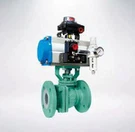
Ceramic lined ball valves are specialized valves known for their exceptional wear resistance, corrosion resistance, and high-temperature performance. As a supplier of ceramic lined ball valves, I've witnessed firsthand the diverse industries that benefit from these remarkable components. In this blog post, I'll explore the industries that commonly use ceramic lined ball valves and explain why they are the preferred choice in these sectors.
Mining Industry
The mining industry is one of the primary users of ceramic lined ball valves. In mining operations, slurries containing abrasive particles such as ores, sand, and gravel are transported through pipelines. These slurries can cause significant wear and tear on traditional valves, leading to frequent replacements and downtime. Ceramic lined ball valves, on the other hand, are highly resistant to abrasion, making them ideal for handling these harsh slurries.
The ceramic lining on these valves provides a smooth surface that reduces friction and prevents the buildup of abrasive materials. This not only extends the valve's lifespan but also ensures consistent flow control. Additionally, ceramic lined ball valves can withstand high pressures and temperatures, which are common in mining processes. Whether it's in copper, gold, or coal mining, these valves play a crucial role in maintaining the efficiency and reliability of the operations.
Power Generation
Power generation plants, especially those that use coal or biomass as fuel, rely on ceramic lined ball valves for their ash handling systems. Coal combustion produces fly ash and bottom ash, which are abrasive and corrosive. These ashes need to be transported from the boilers to storage facilities or disposal sites, and ceramic lined ball valves are used to control the flow of these materials.
The high wear resistance of ceramic lined ball valves ensures that they can handle the constant flow of ash without significant degradation. This reduces maintenance costs and improves the overall efficiency of the ash handling system. Moreover, in power plants that use desulfurization systems to remove sulfur dioxide from flue gases, ceramic lined ball valves are used to control the flow of limestone slurry, which is also abrasive.
In nuclear power plants, ceramic lined ball valves are used in certain applications where corrosion resistance and high-temperature performance are required. The ceramic lining provides a barrier against corrosive agents, ensuring the long-term integrity of the valves.
Chemical Industry
The chemical industry deals with a wide range of corrosive and abrasive chemicals. Ceramic lined ball valves are well-suited for this industry due to their excellent corrosion resistance. They can handle chemicals such as acids, alkalis, and solvents without being damaged by the corrosive effects.
For example, in the production of fertilizers, ceramic lined ball valves are used to control the flow of phosphoric acid, ammonia, and other chemicals. These valves ensure that the chemicals are transported safely and efficiently through the production process. In the petrochemical industry, ceramic lined ball valves are used in refining processes to control the flow of crude oil, gasoline, and other petroleum products.
The high-temperature performance of ceramic lined ball valves also makes them suitable for chemical processes that involve high temperatures. They can maintain their structural integrity and functionality even under extreme conditions, ensuring the reliability of the chemical production process.
Pulp and Paper Industry
In the pulp and paper industry, ceramic lined ball valves are used in various applications, including the handling of pulp slurries and chemical additives. Pulp slurries contain wood fibers, water, and chemicals, which can be abrasive and corrosive. Ceramic lined ball valves can withstand the wear and tear caused by these slurries, ensuring smooth flow control.
During the papermaking process, chemicals such as bleach, caustic soda, and alum are used to treat the pulp. Ceramic lined ball valves are used to control the flow of these chemicals, preventing corrosion and ensuring accurate dosing. The durability of these valves reduces maintenance requirements and improves the overall efficiency of the papermaking process.
Water Treatment
Water treatment plants use ceramic lined ball valves in a variety of applications, including the control of raw water intake, the dosing of chemicals, and the handling of sludge. Raw water may contain sediment, sand, and other abrasive particles, which can cause damage to traditional valves. Ceramic lined ball valves can handle these abrasive materials without significant wear, ensuring reliable operation.
In the chemical dosing process, ceramic lined ball valves are used to control the flow of chemicals such as chlorine, fluoride, and coagulants. The corrosion resistance of these valves ensures that they can handle these chemicals safely and accurately. Additionally, in the sludge handling process, ceramic lined ball valves are used to control the flow of sludge, which can be thick and abrasive.
Other Industries
Apart from the industries mentioned above, ceramic lined ball valves are also used in other industries such as food and beverage, pharmaceuticals, and mining equipment manufacturing. In the food and beverage industry, these valves are used in applications where hygiene and corrosion resistance are important, such as the handling of acidic juices and dairy products. In the pharmaceutical industry, ceramic lined ball valves are used in the production of drugs and medical devices, where precision flow control and corrosion resistance are required.
In the mining equipment manufacturing industry, ceramic lined ball valves are used as components in mining machinery such as slurry pumps and crushers. These valves improve the performance and reliability of the equipment, reducing downtime and maintenance costs.
Comparison with Other Types of Ball Valves
When comparing ceramic lined ball valves with other types of ball valves such as Trunnion Mounted Ball Valve, Fully Welded Ball Valve, and Seated Ball Valve, it's important to note that each type has its own advantages and applications.
Trunnion mounted ball valves are designed for high-pressure applications and are typically used in pipelines and oil and gas production facilities. Fully welded ball valves are used in applications where leak-tightness is critical, such as in natural gas pipelines. Seated ball valves are commonly used in general industrial applications where cost-effectiveness is a priority.
Ceramic lined ball valves, on the other hand, are specifically designed for applications where wear resistance, corrosion resistance, and high-temperature performance are required. They are ideal for handling abrasive slurries, corrosive chemicals, and high-temperature fluids.
Conclusion
In conclusion, ceramic lined ball valves are widely used in a variety of industries due to their exceptional wear resistance, corrosion resistance, and high-temperature performance. From mining and power generation to chemical processing and water treatment, these valves play a crucial role in ensuring the efficiency and reliability of industrial processes.


If you're in an industry that requires reliable and durable valves for handling abrasive or corrosive materials, I encourage you to consider ceramic lined ball valves. As a supplier of these valves, I'm committed to providing high-quality products and excellent customer service. If you have any questions or would like to discuss your specific requirements, please don't hesitate to contact me for a procurement discussion.
References
- "Valve Handbook" by J. Bjorklund
- "Industrial Valves: Selection, Specification, and Application" by R. W. Miller
- Industry reports and publications on mining, power generation, chemical processing, etc.