

As a trusted API Gate Valve supplier, I understand the importance of effective sealing methods in ensuring the optimal performance and reliability of these valves. API Gate Valves are widely used in various industries, including oil and gas, petrochemical, and power generation, where they play a crucial role in controlling the flow of fluids. In this blog post, I will explore the different sealing methods employed in API Gate Valves, their advantages and disadvantages, and how they contribute to the overall functionality of the valve.
1. Wedge Sealing
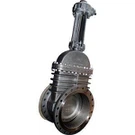
One of the most common sealing methods in API Gate Valves is the wedge sealing mechanism. In a wedge gate valve, the gate is designed in a wedge shape, which tapers towards the bottom. When the valve is closed, the wedge-shaped gate is forced between the two valve seats, creating a tight seal. The force applied to the gate is typically generated by the valve stem, which is connected to an actuator.
Advantages
- Excellent Sealing Performance: The wedge design allows for a high degree of contact pressure between the gate and the seats, resulting in a tight seal that can effectively prevent leakage.
- Suitability for High-Pressure Applications: Wedge gate valves are well-suited for high-pressure systems as the wedging action helps to maintain the seal even under extreme pressure conditions.
- Versatility: They can be used with a wide range of fluids, including liquids, gases, and slurries.
Disadvantages
- Slow Operation: The wedging action requires more force and time to open and close the valve compared to other types of gate valves, which can be a drawback in applications where quick operation is required.
- Susceptibility to Galling: In some cases, the high contact pressure between the gate and the seats can cause galling or scoring, which may affect the sealing performance over time.
2. Parallel Slide Sealing
Parallel slide gate valves use a different sealing principle compared to wedge gate valves. In a parallel slide valve, the gate moves parallel to the valve seats rather than being forced between them. The sealing is achieved by the compression of elastomeric or metallic seals located on the gate or the seats.
Advantages
- Fast Operation: Parallel slide gate valves can be opened and closed more quickly than wedge gate valves, making them suitable for applications where rapid shut-off is necessary.
- Reduced Wear and Tear: Since the gate does not have to be forced between the seats, there is less wear and tear on the sealing surfaces, resulting in a longer service life.
- Good Sealing in Low-Pressure Applications: They provide effective sealing in low-pressure systems and are often used in applications where a tight shut-off is required at relatively low pressures.
Disadvantages
- Limited Pressure Rating: Parallel slide gate valves are generally not suitable for high-pressure applications as the sealing mechanism may not be able to withstand the high forces generated at high pressures.
- Higher Cost: The design and construction of parallel slide gate valves are more complex, which can result in a higher cost compared to wedge gate valves.
3. Double Disc Sealing
Double disc gate valves feature two discs that are arranged in a parallel or slightly angled configuration. When the valve is closed, the discs are forced against the valve seats to create a seal. This type of sealing method is commonly used in large-diameter gate valves.


Advantages
- Even Distribution of Force: The use of two discs helps to distribute the sealing force evenly across the seats, reducing the risk of uneven wear and improving the sealing performance.
- Suitability for Large-Diameter Valves: Double disc gate valves are well-suited for large-diameter applications as they can provide a reliable seal over a large surface area.
- Good Sealing in High-Temperature Applications: They can maintain a tight seal even at high temperatures, making them suitable for use in applications where the fluid temperature is elevated.
Disadvantages
- Complex Design: The design of double disc gate valves is more complex compared to single disc valves, which can increase the cost of manufacturing and maintenance.
- Higher Risk of Leakage: If the discs are not properly aligned or if the sealing surfaces are damaged, there is a higher risk of leakage compared to other types of gate valves.
4. Flexible Wedge Sealing
Flexible wedge gate valves use a gate that is designed to be flexible, allowing it to conform to the shape of the valve seats. The flexibility of the gate helps to compensate for any irregularities in the seat surfaces and ensures a tight seal.
Advantages
- Improved Sealing Performance: The flexible wedge design can provide a better seal compared to rigid wedge gate valves, especially in applications where the seat surfaces may be slightly misaligned or damaged.
- Reduced Risk of Binding: The flexibility of the gate reduces the risk of binding or jamming during operation, which can improve the reliability of the valve.
- Suitability for Varying Pressure and Temperature Conditions: Flexible wedge gate valves can adapt to changes in pressure and temperature, making them suitable for a wide range of applications.
Disadvantages
- Limited Temperature Range: The flexibility of the gate may be affected at very high or very low temperatures, which can limit the operating temperature range of the valve.
- Higher Cost: The manufacturing process for flexible wedge gate valves is more complex, which can result in a higher cost compared to rigid wedge gate valves.
5. Other Sealing Considerations
In addition to the main sealing methods described above, there are several other factors that can affect the sealing performance of API Gate Valves. These include:
- Seal Material: The choice of seal material is crucial as it determines the chemical compatibility, temperature resistance, and durability of the seal. Common seal materials include elastomers such as rubber and PTFE, as well as metals such as stainless steel and brass.
- Surface Finish: The surface finish of the gate and the seats can have a significant impact on the sealing performance. A smooth surface finish helps to reduce friction and improve the contact between the sealing surfaces, resulting in a better seal.
- Valve Maintenance: Regular maintenance is essential to ensure the proper functioning of the valve and to prevent leakage. This includes inspecting the sealing surfaces for wear and damage, lubricating the moving parts, and replacing any worn or damaged seals.
Conclusion
In conclusion, the choice of sealing method for an API Gate Valve depends on a variety of factors, including the application requirements, operating conditions, and budget. Each sealing method has its own advantages and disadvantages, and it is important to select the most appropriate method based on the specific needs of the application. As an API Gate Valve supplier, we offer a wide range of gate valves with different sealing methods to meet the diverse needs of our customers. Whether you need a Cast Steel Gate Valves, a flat gate valve, or a valve with a Flat Bottom Brake Seat, we can provide you with high-quality products and expert advice.
If you are interested in learning more about our API Gate Valves or would like to discuss your specific requirements, please do not hesitate to contact us. We are committed to providing our customers with the best products and services and look forward to the opportunity to work with you.
References
- Valve Handbook, 4th Edition, by J. S. Valintine
- API 600 - Specification for Steel Gate, Globe, and Check Valves
- ASME B16.34 - Valves - Flanged, Threaded, and Welding End