

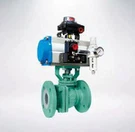
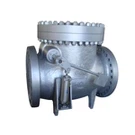
As a supplier of flat or slab gate valves, I understand the critical importance of maintenance intervals for these essential industrial components. Flat or slab gate valves are widely used in various industries, including oil and gas, water treatment, and chemical processing, to control the flow of fluids. Proper maintenance ensures their reliable operation, extends their service life, and prevents costly downtime. In this blog post, I will discuss the factors that influence the maintenance intervals for flat or slab gate valves and provide some general guidelines.
Factors Influencing Maintenance Intervals
Operating Conditions
The operating conditions of a flat or slab gate valve play a significant role in determining its maintenance intervals. Valves that are exposed to harsh environments, such as high temperatures, high pressures, corrosive fluids, or abrasive particles, will require more frequent maintenance than those operating under milder conditions. For example, in the oil and gas industry, valves used in offshore platforms or in pipelines transporting crude oil may be subject to extreme pressures and corrosive substances, necessitating more regular inspections and maintenance.
Valve Design and Material
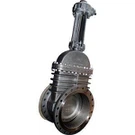
The design and material of the flat or slab gate valve also affect its maintenance requirements. Valves with complex designs or made from low-quality materials may be more prone to wear and tear, leading to shorter maintenance intervals. On the other hand, high-quality valves with robust designs and corrosion-resistant materials can withstand more demanding operating conditions and require less frequent maintenance. For instance, API Gate Valve designed to meet strict industry standards are generally more reliable and durable, reducing the need for frequent maintenance.
Frequency of Use
The frequency at which a flat or slab gate valve is operated can impact its maintenance intervals. Valves that are frequently opened and closed are more likely to experience mechanical wear and tear, such as seat and seal damage, than those that are used less often. Therefore, valves in continuous operation or those subject to frequent cycling may require more regular maintenance to ensure their proper functioning.
Maintenance History
The maintenance history of a valve is another important factor to consider when determining maintenance intervals. Valves that have a history of frequent breakdowns or have required extensive repairs in the past may need more frequent inspections and maintenance to prevent future issues. Conversely, valves that have been well-maintained and have a good performance record may be able to operate for longer periods between maintenance intervals.
General Maintenance Intervals
While the specific maintenance intervals for flat or slab gate valves will vary depending on the factors mentioned above, the following general guidelines can be used as a starting point:
Visual Inspections
Visual inspections should be conducted regularly, at least once a month for valves in critical applications or those operating under harsh conditions. During a visual inspection, the valve should be checked for signs of leakage, corrosion, damage to the body or stem, and proper alignment. Any abnormalities should be noted and addressed promptly.
Lubrication
Valve stems and other moving parts should be lubricated periodically to reduce friction and prevent wear. The frequency of lubrication will depend on the operating conditions and the type of lubricant used. In general, lubrication should be performed every three to six months for valves in normal operating conditions. However, valves in high-temperature or high-pressure applications may require more frequent lubrication.
Seat and Seal Checks
The seats and seals of a flat or slab gate valve are critical components that ensure a tight shut-off. These should be checked for wear and damage at least once a year, or more frequently if the valve is used frequently or in a corrosive environment. If the seats or seals are found to be worn or damaged, they should be replaced immediately to prevent leakage.
Full Overhauls
A full overhaul of a flat or slab gate valve should be performed every three to five years, depending on the operating conditions and the valve's maintenance history. During an overhaul, the valve is disassembled, inspected, and all worn or damaged parts are replaced. The valve is then reassembled and tested to ensure it meets the required performance standards.
Importance of Regular Maintenance
Regular maintenance of flat or slab gate valves is essential for several reasons:
Safety
Properly maintained valves are less likely to fail, reducing the risk of leaks, spills, and other safety hazards. In industries such as oil and gas and chemical processing, a valve failure can have serious consequences for personnel safety and the environment.
Reliability
Regular maintenance helps to ensure the reliable operation of flat or slab gate valves, minimizing downtime and production losses. By identifying and addressing potential issues before they become major problems, maintenance can prevent unexpected valve failures and keep the process running smoothly.
Cost Savings
Although maintenance requires an investment of time and resources, it can actually save money in the long run. By extending the service life of valves and preventing costly repairs and replacements, regular maintenance can reduce overall operating costs.
Contact for Purchase and Maintenance Consultation
If you are in the market for high-quality flat gate valve or need advice on valve maintenance, I encourage you to reach out to us. Our team of experts has extensive experience in the valve industry and can provide you with the best solutions for your specific needs. Whether you require a standard valve or a custom-designed solution, we have the expertise and resources to meet your requirements. We also offer comprehensive maintenance services to ensure your valves operate at peak performance. Contact us today to discuss your valve needs and let us help you find the perfect solution for your application.


References
- Valve Handbook, CRC Press
- API Standards for Gate Valves
- Manufacturer's Guidelines for Flat or Slab Gate Valves