

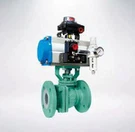
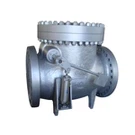
A leaking globe valve can be a significant headache in many industrial and commercial settings. As a trusted globe valve supplier, I've encountered numerous situations where customers face issues with leaking valves. In this blog, I'll share some practical steps on how to troubleshoot a leaking globe valve.
Understanding the Basics of Globe Valves
Before we dive into troubleshooting, it's essential to understand what a globe valve is and how it works. Globe valves are one of the most common types of valves used in various industries. They are designed to control the flow of fluid through a pipeline by using a disc that moves up and down to regulate the opening and closing of the valve. There are different types of globe valves, such as the Bellow Sealed Globe Valve, Straight Globe Valve, and Pressure Seal Globe Valve. Each type has its unique features and applications, but they all share the basic principle of controlling fluid flow.
Step 1: Identify the Source of the Leak
The first step in troubleshooting a leaking globe valve is to identify where the leak is coming from. There are three main areas where a globe valve can leak: the valve stem, the valve body, or the valve seat.
Valve Stem Leak
A leak at the valve stem is often caused by a worn or damaged packing. The packing is a sealing material that surrounds the valve stem to prevent fluid from leaking out. Over time, the packing can become worn due to friction, high temperatures, or chemical exposure. To check for a valve stem leak, look for signs of fluid dripping or seeping around the valve stem. You may also notice a hissing sound, which indicates that there is a pressure loss due to the leak.


Valve Body Leak
A leak in the valve body can be more serious and may require more extensive repairs. Valve body leaks are usually caused by cracks or holes in the valve body. These can be the result of corrosion, mechanical stress, or improper installation. To check for a valve body leak, inspect the valve body for any visible cracks or signs of damage. You may also notice a pool of fluid around the valve body, which is a clear indication of a leak.
Valve Seat Leak
A leak at the valve seat is often caused by a damaged or worn valve seat. The valve seat is the surface where the valve disc seals against to prevent fluid from flowing through the valve. Over time, the valve seat can become damaged due to erosion, corrosion, or improper seating of the valve disc. To check for a valve seat leak, listen for a continuous flow of fluid through the valve when it is supposed to be closed. You may also notice a drop in pressure downstream of the valve, which indicates that there is a leak at the valve seat.
Step 2: Isolate the Valve
Once you have identified the source of the leak, the next step is to isolate the valve. This is an important safety measure that will prevent further fluid leakage and potential damage to the surrounding equipment. To isolate the valve, close the upstream and downstream isolation valves. This will stop the flow of fluid to and from the leaking globe valve.
Step 3: Inspect and Replace Worn Components
After isolating the valve, you can start inspecting the worn components. Depending on the source of the leak, you may need to replace the packing, the valve body, or the valve seat.
Replacing the Packing
If the leak is coming from the valve stem, you may need to replace the packing. To do this, first, remove the packing gland nuts and the packing gland. Then, carefully remove the old packing from the packing box. Make sure to clean the packing box thoroughly before installing the new packing. Cut the new packing to the appropriate length and install it in the packing box, making sure to stack the packing rings evenly. Finally, reinstall the packing gland and tighten the packing gland nuts to the recommended torque.
Repairing or Replacing the Valve Body
If the leak is coming from the valve body, you may need to repair or replace the valve body. If the crack or hole in the valve body is small, you may be able to repair it using a suitable welding or patching method. However, if the damage is extensive, it is usually recommended to replace the valve body. When replacing the valve body, make sure to use a valve body that is compatible with the existing valve components.
Replacing the Valve Seat
If the leak is coming from the valve seat, you may need to replace the valve seat. To do this, first, remove the valve disc and the valve stem. Then, use a suitable tool to remove the old valve seat from the valve body. Make sure to clean the valve seat area thoroughly before installing the new valve seat. Install the new valve seat using the appropriate installation method and torque specifications. Finally, reinstall the valve disc and the valve stem.
Step 4: Test the Valve
After replacing the worn components, the next step is to test the valve to make sure that the leak has been fixed. To test the valve, slowly open the upstream isolation valve and allow the fluid to flow into the valve. Check for any signs of leakage around the valve stem, valve body, or valve seat. If there are no signs of leakage, slowly open the downstream isolation valve and check the valve operation. Make sure that the valve can open and close smoothly and that there is no abnormal noise or vibration.
Step 5: Preventive Maintenance
To prevent future leaks, it is important to perform regular preventive maintenance on your globe valves. This includes inspecting the valves regularly for signs of wear and tear, lubricating the valve stems, and replacing the packing at regular intervals. It is also important to follow the manufacturer's recommendations for installation, operation, and maintenance of the valves.
Conclusion
Troubleshooting a leaking globe valve can be a complex process, but by following these steps, you can identify and fix the problem quickly and effectively. As a globe valve supplier, I am committed to providing high-quality valves and excellent customer service. If you are experiencing problems with a leaking globe valve or need help with valve selection, installation, or maintenance, please don't hesitate to contact me. I will be happy to assist you in finding the best solution for your needs.
References
- "Valve Handbook" by Milton W. Beyer
- "Industrial Valves: Selection and Sizing" by Robert A. Smith