

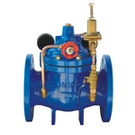
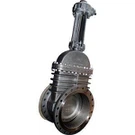
Selecting the appropriate pressure rating for an API Gate Valve is crucial, especially when you're in the market for reliable and high - quality valves. As an API Gate Valve supplier, I've seen firsthand how the wrong pressure rating can lead to a host of problems, from leaks to complete valve failure. In this blog, I'll share some tips on how to make the right choice.
Understanding Pressure Ratings
First off, let's talk about what pressure ratings mean. The pressure rating of a valve indicates the maximum pressure it can handle under normal operating conditions. It's usually measured in pounds per square inch (psi) or bars. For API Gate Valves, these ratings are standardized according to industry norms, which ensures that the valves can be used safely and effectively in various applications.


When you're looking at an API Gate Valve, the pressure rating will be clearly marked on the valve itself or in the product documentation. This rating is determined by a variety of factors, including the materials used in the valve's construction, the design of the valve, and the manufacturing processes.
Factors to Consider When Selecting Pressure Ratings
Operating Pressure
The most obvious factor to consider is the operating pressure of your system. You need to know the normal and maximum pressures that the valve will be exposed to. If the operating pressure exceeds the valve's pressure rating, it can cause the valve to fail prematurely. For example, if your system typically operates at 1000 psi but can reach a peak of 1500 psi during certain processes, you'll need to select a valve with a pressure rating that can handle at least 1500 psi.
Safety Margin
It's always a good idea to build in a safety margin when selecting a pressure rating. A common rule of thumb is to choose a valve with a pressure rating that is at least 1.5 times the maximum operating pressure of your system. This extra margin provides a buffer in case of unexpected pressure spikes, which can occur due to factors like water hammer, pump surges, or sudden changes in flow rate.
Application Type
The type of application also plays a role in determining the appropriate pressure rating. For example, in a low - pressure application like a water supply system for a small building, a valve with a relatively low pressure rating may be sufficient. However, in high - pressure applications such as oil and gas pipelines or industrial chemical processes, you'll need a valve with a much higher pressure rating.
Valve Material
The material of the valve can affect its pressure - handling capabilities. Different materials have different strengths and resistance to pressure. For instance, a valve made of stainless steel may be able to handle higher pressures than a valve made of cast iron. When choosing a valve, consider the material's compatibility with the fluid in your system as well as its ability to withstand the pressure.
API Standards and Pressure Ratings
API (American Petroleum Institute) has established standards for gate valves, including API6A Gate Valve. These standards ensure that valves meet certain quality and performance criteria. API standards specify the minimum pressure ratings for different types of valves based on their intended use.
For example, API6A valves are commonly used in the oil and gas industry and are designed to handle high - pressure and high - temperature environments. When selecting an API6A Gate Valve, make sure it meets the specific API requirements for your application. This will ensure that the valve is reliable and safe to use.
Special Features and Pressure Ratings
Some API Gate Valves come with special features that can affect their pressure ratings. For example, a valve with a Flat Bottom Brake Seat may have different pressure - handling characteristics compared to a valve with a standard seat design. These special features can enhance the valve's performance and reliability, but they may also require a different pressure rating selection.
Testing and Certification
Before purchasing an API Gate Valve, it's important to ensure that it has been tested and certified to meet the required pressure ratings. Reputable manufacturers will conduct rigorous testing on their valves to ensure that they can handle the specified pressures. Look for valves that have been certified by independent testing agencies, as this provides an extra level of assurance.
Making the Right Choice
When it comes to selecting the appropriate pressure rating for an API Gate Valve, it's not just about picking the highest rating available. You need to balance the cost, performance, and safety requirements of your system. Here are some steps to help you make the right choice:
- Gather Information: Collect all the relevant data about your system, including the operating pressure, maximum pressure, application type, and fluid characteristics.
- Research Valves: Look at different API Gate Valves and compare their pressure ratings, materials, and features. Consider the reputation of the manufacturer and the availability of technical support.
- Consult an Expert: If you're unsure about which pressure rating to choose, don't hesitate to consult an expert. As an API Gate Valve supplier, I'm always happy to help customers make the right decision based on their specific needs.
- Consider Long - Term Costs: While a valve with a higher pressure rating may be more expensive upfront, it can save you money in the long run by reducing the risk of valve failure and costly repairs.
Conclusion
Selecting the appropriate pressure rating for an API Gate Valve is a critical decision that can have a significant impact on the performance and safety of your system. By considering factors like operating pressure, safety margin, application type, and valve material, you can make an informed choice. Remember to look for valves that are tested and certified, and don't be afraid to seek expert advice.
If you're in the market for API Gate Valves and need help selecting the right pressure rating for your application, I'd love to hear from you. Feel free to reach out, and we can discuss your requirements in detail. Whether you're working on a small - scale project or a large - scale industrial application, I'm confident that we can find the perfect valve for you.
References
- API Standards for Gate Valves, American Petroleum Institute
- Valve Engineering Handbook, Various Authors
- Industry Reports on Valve Performance and Pressure Ratings