

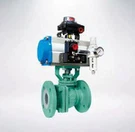
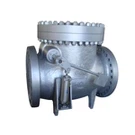
Hey there! As a supplier of Straight Globe Valves, I often get asked about how to replace the valve disc of a straight globe valve. It's a crucial maintenance task that can significantly impact the performance and longevity of your valve. So, let's dive right into it and walk through the process step by step.
Why Replace the Valve Disc?
Before we get into the how - to, let's talk about why you might need to replace the valve disc. Over time, the valve disc can wear out due to constant contact with the seat, erosion from the fluid flowing through the valve, or corrosion. A worn - out valve disc can lead to leaks, reduced flow control, and overall inefficiency in your system. By replacing the valve disc, you can restore the valve's functionality and prevent potential system failures.
Tools You'll Need
First things first, gather the necessary tools. You'll need a set of wrenches, a screwdriver (either flat - head or Phillips, depending on the valve design), a gasket scraper, a torque wrench, and a new valve disc that is compatible with your straight globe valve. Make sure the new valve disc is the right size and material for your application. You can find a wide range of Straight Globe Valve options on our website, which are designed to meet various industrial needs.
Step 1: Shut Down the System
Safety first! Before you start working on the valve, you need to shut down the system and isolate the valve. This means closing the upstream and downstream isolation valves to stop the flow of fluid through the valve. You should also relieve any pressure in the valve by opening a drain valve or a vent valve, if available. This will prevent any accidental release of fluid or pressure during the maintenance process.
Step 2: Remove the Bonnet
Once the system is shut down and depressurized, you can start removing the bonnet. The bonnet is the part of the valve that covers the internal components. Use your wrenches to loosen and remove the bolts that hold the bonnet in place. Be careful not to drop the bolts, as you'll need them later when reassembling the valve. Some valves may have a gasket between the bonnet and the valve body. If so, use a gasket scraper to carefully remove the old gasket.
Step 3: Access the Valve Disc
With the bonnet removed, you'll have access to the valve disc. The valve disc is usually attached to the valve stem. In some cases, it may be held in place by a screw or a locking mechanism. Use your screwdriver or the appropriate tool to remove the fasteners and detach the old valve disc from the valve stem.
Step 4: Inspect the Valve Seat
While the valve disc is removed, it's a good idea to inspect the valve seat. The valve seat is the surface that the valve disc seals against. Look for any signs of wear, damage, or corrosion. If the valve seat is damaged, it may need to be repaired or replaced as well. A damaged valve seat can prevent the new valve disc from sealing properly, leading to leaks.
Step 5: Install the New Valve Disc
Now it's time to install the new valve disc. Make sure the new valve disc is clean and free of any debris. Attach the new valve disc to the valve stem using the same method you used to remove the old one. Ensure that the valve disc is properly aligned and securely fastened.
Step 6: Replace the Gasket
If you removed a gasket when taking off the bonnet, it's important to replace it with a new one. A new gasket will ensure a proper seal between the bonnet and the valve body, preventing leaks. Apply a thin layer of gasket sealant to the gasket to improve the seal.
Step 7: Reassemble the Bonnet
Carefully place the bonnet back on the valve body, aligning the bolt holes. Insert the bolts and hand - tighten them first to make sure they are properly seated. Then, use a torque wrench to tighten the bolts to the manufacturer's recommended torque specification. Over - tightening the bolts can damage the valve, while under - tightening can lead to leaks.


Step 8: Test the Valve
Once the valve is reassembled, it's time to test it. Slowly open the upstream isolation valve to allow fluid to flow into the valve. Check for any leaks around the bonnet, the valve disc, or the connections. If you notice any leaks, shut down the system again and re - check the installation. Make sure the valve operates smoothly and that the flow control is working as expected.
Other Globe Valve Options
In addition to straight globe valves, we also offer Bellow Sealed Globe Valve and Pressure Seal Globe Valve. Bellow sealed globe valves are ideal for applications where leakage prevention is critical, such as in toxic or hazardous fluid systems. Pressure seal globe valves are designed for high - pressure applications and can withstand extreme conditions.
Conclusion
Replacing the valve disc of a straight globe valve is a relatively straightforward process if you follow the right steps and use the proper tools. By performing regular maintenance and replacing worn - out components, you can ensure the optimal performance of your valve and extend its service life.
If you have any questions about straight globe valves, valve disc replacement, or if you're interested in purchasing our products, don't hesitate to reach out. We're here to help you find the best valve solutions for your specific needs. Whether you're in the oil and gas industry, chemical processing, or any other field that requires reliable valves, we've got you covered.
References
- Valve Handbook: A Guide to Valve Selection, Installation, and Maintenance
- Manufacturer's Manuals for Straight Globe Valves