

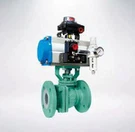
Hey there! As a supplier of Ceramic Lined Ball Valves, I often get asked about how to replace the ceramic lining in a ball valve. It's a crucial process that can extend the lifespan and improve the performance of your ball valve. So, let's dive right into it.
Why Replace the Ceramic Lining?
First off, you might be wondering why you'd even need to replace the ceramic lining. Well, ceramic linings are great for ball valves because they offer excellent wear resistance, corrosion resistance, and can handle high temperatures. But over time, due to constant flow of abrasive or corrosive fluids, the ceramic lining can wear out. When this happens, the valve's performance can degrade, leading to issues like leakage, reduced flow control, and even system failures. Replacing the ceramic lining can restore the valve's functionality and save you from costly replacements down the line.
Tools and Materials You'll Need
Before you start the replacement process, gather the necessary tools and materials. Here's a list to get you started:
- Safety Gear: Gloves, safety glasses, and a face mask to protect yourself from any debris or fumes.
- Wrenches: A set of wrenches to remove the valve components. Make sure you have the right sizes for your valve.
- Screwdrivers: Phillips and flathead screwdrivers may be needed to remove any screws holding the valve together.
- New Ceramic Lining: Of course, you'll need a new ceramic lining that matches the specifications of your ball valve. As a Ceramic Lined Ball Valve supplier, I can help you find the right one for your needs.
- Sealant: A high-quality sealant to ensure a proper seal between the valve components and the new ceramic lining.
- Cleaning Supplies: A brush, solvent, and rags to clean the valve components before installing the new lining.
Step-by-Step Replacement Process
Step 1: Shut Down the System
Before you start working on the ball valve, it's crucial to shut down the system to prevent any accidents. Close the upstream and downstream valves to isolate the ball valve from the fluid flow. Release any pressure in the valve by opening the drain valve or venting the system.
Step 2: Remove the Valve from the Pipeline
Use the wrenches to loosen and remove the bolts or nuts connecting the ball valve to the pipeline. Carefully lift the valve out of the pipeline and place it on a clean, flat surface.
Step 3: Disassemble the Valve
Once the valve is removed from the pipeline, start disassembling it. Use the screwdrivers and wrenches to remove the bonnet, stem, and ball from the valve body. Be careful not to damage any of the components during the disassembly process.
Step 4: Remove the Old Ceramic Lining
Inspect the old ceramic lining for any signs of wear or damage. Use a scraper or a chisel to carefully remove the old lining from the valve body and ball. Make sure to remove all the debris and residue from the valve components.
Step 5: Clean the Valve Components
Use the cleaning supplies to thoroughly clean the valve body, ball, and other components. Remove any dirt, grease, or corrosion from the surfaces. This will ensure a proper fit and seal for the new ceramic lining.
Step 6: Install the New Ceramic Lining
Apply a thin layer of sealant to the inside of the valve body and the ball. Carefully place the new ceramic lining into the valve body, making sure it fits snugly. Use a mallet or a press to gently seat the lining in place. Repeat the process for the ball.
Step 7: Reassemble the Valve
Once the new ceramic lining is installed, reassemble the valve in the reverse order of disassembly. Make sure all the components are properly aligned and tightened. Use the wrenches to secure the bonnet, stem, and ball to the valve body.
Step 8: Test the Valve
Before reinstalling the valve in the pipeline, it's important to test it to ensure it's working properly. Apply pressure to the valve and check for any leaks. Open and close the valve several times to make sure it operates smoothly.
Step 9: Reinstall the Valve in the Pipeline
Once the valve has been tested and is working properly, reinstall it in the pipeline. Use the wrenches to tighten the bolts or nuts connecting the valve to the pipeline. Make sure the valve is properly aligned and secured.
Tips and Tricks
- Take Your Time: Replacing the ceramic lining in a ball valve is a detailed process that requires patience and precision. Don't rush through the steps, and make sure you do everything correctly.
- Follow the Manufacturer's Instructions: Every ball valve is different, so it's important to follow the manufacturer's instructions when replacing the ceramic lining. This will ensure that you don't damage the valve or void the warranty.
- Inspect the Valve Regularly: To prevent premature wear and damage to the ceramic lining, it's important to inspect the valve regularly. Look for any signs of wear, corrosion, or leakage, and address them promptly.
- Consider Upgrading: If you're experiencing frequent issues with the ceramic lining in your ball valve, you may want to consider upgrading to a higher-quality lining or a different type of valve. As a Ceramic Lined Ball Valve supplier, I can help you find the right solution for your needs.
Related Products
If you're interested in other types of ball valves, we also offer Soft Seated Ball Valve, Ball Valve Floating Type, and V Port Ball Valve. These valves are designed to meet a variety of applications and requirements, so feel free to check them out.
Conclusion
Replacing the ceramic lining in a ball valve is a relatively straightforward process that can be done with the right tools and materials. By following the steps outlined in this blog post, you can extend the lifespan and improve the performance of your ball valve. If you have any questions or need further assistance, don't hesitate to contact me. As a Ceramic Lined Ball Valve supplier, I'm here to help you find the right solution for your needs. Whether you're looking to replace the ceramic lining in an existing valve or purchase a new one, I can provide you with the expertise and support you need. So, why wait? Get in touch with me today to discuss your requirements and start improving the performance of your ball valves.


References
- Manufacturer's instructions for your specific ball valve
- Industry standards and best practices for valve maintenance and repair