

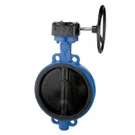
Hey there! As a supplier of butterfly valves, I've seen firsthand how frustrating valve leakage can be. It not only causes operational inefficiencies but also leads to potential safety hazards and increased costs. In this blog, I'm gonna share some practical tips on how to reduce the leakage of a butterfly valve.
Understanding the Basics of Butterfly Valve Leakage
Before we dive into the solutions, it's important to understand why butterfly valves leak in the first place. There are several common causes:
- Sealing Surface Damage: Over time, the sealing surfaces of the valve can get worn out due to friction, corrosion, or the presence of abrasive particles in the fluid. This can create gaps through which the fluid can leak.
- Improper Installation: If the valve is not installed correctly, it may not seat properly, leading to leakage. This can include issues such as misalignment, incorrect torque on the bolts, or using the wrong gasket.
- Material Mismatch: Using the wrong materials for the valve components, especially the seat and disc, can result in poor sealing performance. For example, if the seat material is not compatible with the fluid being handled, it may degrade and cause leakage.
- Pressure and Temperature Fluctuations: Extreme pressure and temperature changes can cause the valve components to expand or contract, affecting the sealing integrity.
Tips to Reduce Butterfly Valve Leakage
1. Choose the Right Valve Type and Material
Selecting the appropriate valve type for your application is crucial. For high - pressure and high - temperature applications, a Metal To Metal Butterfly Valve might be a better choice. These valves offer excellent durability and can withstand harsh conditions.
When it comes to materials, make sure the seat and disc materials are compatible with the fluid being handled. For example, if you're dealing with corrosive fluids, choose a valve with a corrosion - resistant seat material like PTFE or a special alloy.
2. Ensure Proper Installation
Proper installation is key to preventing leakage. Here are some installation tips:
- Alignment: Make sure the valve is properly aligned with the pipeline. Misalignment can cause uneven stress on the valve components and lead to leakage.
- Torque: Use the correct torque when tightening the bolts. Over - tightening can damage the valve, while under - tightening can result in a loose seal.
- Gasket Selection: Choose the right gasket material for your application. The gasket should be able to withstand the pressure, temperature, and chemical properties of the fluid.
3. Regular Maintenance
Regular maintenance is essential to keep the valve in good working condition. Here's what you can do:
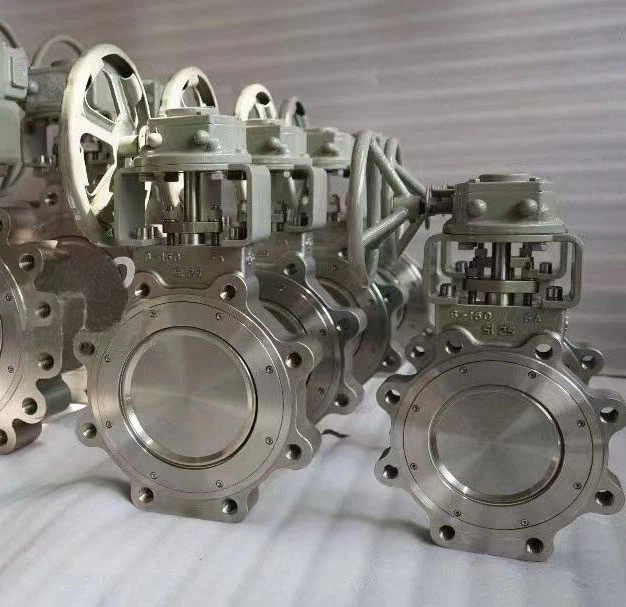

- Inspection: Regularly inspect the valve for signs of wear, damage, or corrosion. Check the sealing surfaces, seat, and disc for any abnormalities.
- Lubrication: If the valve has moving parts, lubricate them regularly to reduce friction and prevent wear.
- Cleaning: Keep the valve clean to prevent the accumulation of debris, which can damage the sealing surfaces.
4. Consider a Triple Offset Design
A triple offset Butterfly Valve is a great option for applications where leakage prevention is critical. This type of valve has a unique design that provides a tight seal even under high pressure and temperature conditions. The triple offset design reduces friction during operation, which helps to extend the valve's lifespan and improve sealing performance.
5. Use a Valve with Bidirectional Sealing
For applications where the flow direction may change, a Metal To Metal Butterfly Valve With Bidirectional Sealing is a good choice. These valves can seal effectively in both flow directions, reducing the risk of leakage.
Monitoring and Troubleshooting
Even with proper installation and maintenance, valve leakage can still occur. That's why it's important to monitor the valve regularly. You can use sensors to detect any changes in pressure, temperature, or flow rate, which may indicate a leak.
If you suspect a leak, here are some troubleshooting steps:
- Check the Sealing Surfaces: Inspect the seat and disc for any damage or wear. If necessary, replace the damaged components.
- Verify the Installation: Make sure the valve is still properly installed and aligned. Check the torque on the bolts and the condition of the gasket.
- Review the Operating Conditions: Consider if there have been any changes in the pressure, temperature, or fluid properties. These changes may require adjustments to the valve or its operating parameters.
Conclusion
Reducing the leakage of a butterfly valve requires a combination of proper valve selection, installation, maintenance, and monitoring. By following the tips outlined in this blog, you can significantly improve the sealing performance of your butterfly valves and avoid the headaches associated with leakage.
If you're in the market for high - quality butterfly valves or need more advice on leakage prevention, don't hesitate to reach out. We're here to help you find the best valve solutions for your specific needs.
References
- Valve Handbook, 4th Edition by Dietrich Stoeckel
- Industrial Valves: Selection, Specification, and Installation by E. W. Davis