

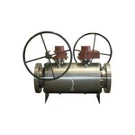
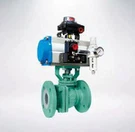
A fully welded ball valve is a critical component in various industrial applications, known for its durability, reliability, and tight shut - off capabilities. Performing a pressure test on a fully welded ball valve is an essential step to ensure its proper functioning and safety. As a supplier of fully welded ball valves, I am well - versed in the process and will share with you the detailed steps on how to conduct a pressure test.
Preparation Before the Pressure Test
Before starting the pressure test, thorough preparation is necessary. First, ensure that the fully welded ball valve is installed correctly according to the manufacturer's instructions. Check all the connections, including flanges, welds, and fittings, to make sure they are tight and free from any visible defects.
Inspect the valve body for any signs of damage, such as cracks or dents. A damaged valve may not withstand the pressure during the test and could lead to inaccurate results or even pose a safety hazard. It is also important to clean the valve thoroughly to remove any debris or contaminants that could affect the sealing performance.


Gather all the necessary testing equipment, including a pressure gauge, a pressure source (such as a hydraulic pump or an air compressor), and appropriate hoses and fittings. The pressure gauge should be calibrated accurately to ensure reliable readings. Make sure the pressure source can provide the required pressure for the test.
Isolation of the Valve
Isolate the fully welded ball valve from the rest of the system. Close all the upstream and downstream valves to prevent any fluid flow into or out of the valve during the test. This step is crucial to ensure that the pressure is applied only to the valve being tested.
If the valve is part of a larger pipeline system, it may be necessary to use blind flanges or other isolation devices to completely isolate the valve. This helps to avoid any interference from the system and ensures accurate test results.
Filling the Valve with Test Fluid
Depending on the application and the requirements of the test, the valve can be filled with either a liquid (usually water) or a gas (such as air or nitrogen). Water is commonly used for hydrostatic pressure tests because it is readily available, inexpensive, and non - flammable.
To fill the valve with water, connect a hose from the pressure source to the valve inlet. Open the valve slightly to allow air to escape as the water fills the valve. Once the valve is completely filled with water and all the air has been purged, close the valve tightly.
If a gas is used for the pressure test, make sure to follow all the safety precautions associated with working with compressed gases. Use appropriate regulators and valves to control the gas flow and pressure.
Applying the Test Pressure
Slowly increase the pressure using the pressure source. The rate of pressure increase should be controlled to avoid sudden pressure surges, which could damage the valve. A typical rate of pressure increase is around 10% of the test pressure per minute.
The test pressure for a fully welded ball valve is usually specified by the manufacturer or relevant industry standards. For most applications, the test pressure is set at a value higher than the normal operating pressure of the valve to ensure its integrity. For example, the test pressure may be 1.5 times the maximum operating pressure.
During the pressure application, closely monitor the pressure gauge to ensure that the pressure reaches the required test pressure and remains stable. If the pressure drops unexpectedly, it may indicate a leak in the valve or the connections.
Holding the Test Pressure
Once the test pressure is reached, hold the pressure for a specified period of time. The holding time can vary depending on the valve size, design, and the requirements of the test. Typically, the holding time is between 10 and 30 minutes.
During the holding period, carefully inspect the valve for any signs of leakage. Check the valve body, seals, and connections for any visible signs of fluid or gas escaping. Look for bubbles if the test is conducted with water or listen for any hissing sounds if a gas is used.
Pressure Release
After the holding time is completed, slowly release the pressure. The rate of pressure release should also be controlled to avoid any sudden changes in pressure that could damage the valve. Open the valve slightly to allow the fluid or gas to escape gradually.
Once the pressure has been released completely, drain the test fluid from the valve. If water was used for the test, make sure to dry the valve thoroughly to prevent corrosion.
Additional Considerations
In addition to the basic pressure test, there are some other factors to consider. For example, if the fully welded ball valve is designed for high - temperature applications, it may be necessary to conduct a pressure test at an elevated temperature to simulate the actual operating conditions.
Some valves may also require a seat leakage test in addition to the shell pressure test. The seat leakage test is used to check the sealing performance of the valve seats. To perform a seat leakage test, close the valve and apply pressure to one side of the valve. Then, check for any leakage on the other side of the valve.
Comparison with Other Types of Ball Valves
It's worth noting that different types of ball valves, such as Seated Ball Valve, Ceramic Lined Ball Valve, and Ball Valve Floating Type, may have different pressure test requirements. Seated ball valves, for example, may require more attention to the seat sealing during the test. Ceramic lined ball valves may need to be tested carefully to ensure the integrity of the ceramic lining under pressure. Floating type ball valves have a different design compared to fully welded ball valves, and their pressure test procedures may also vary.
Conclusion
Performing a pressure test on a fully welded ball valve is a crucial process to ensure its safety and reliability. By following the steps outlined above, you can conduct a thorough and accurate pressure test. As a supplier of fully welded ball valves, we are committed to providing high - quality valves that meet all the industry standards. If you are in need of fully welded ball valves or have any questions about pressure testing or valve selection, please feel free to contact us for procurement and further discussion.
References
- Valve Handbook, various editions
- Industry standards for valve testing, such as API 598