

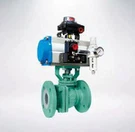
As a reputable supplier of Soft Seated Ball Valves, I understand the importance of proper maintenance to ensure these valves operate at their best and have a long service life. Soft seated ball valves are widely used in various industries due to their excellent sealing performance, low torque operation, and versatility. In this blog, I'll share some essential tips on how to maintain a soft seated ball valve effectively.
Understanding the Basics of Soft Seated Ball Valves
Before delving into maintenance, it's crucial to have a basic understanding of soft seated ball valves. These valves consist of a ball with a hole in the middle, which rotates within a valve body. The soft seat, typically made of materials like PTFE (Polytetrafluoroethylene), provides a tight seal against the ball when the valve is closed. This design allows for precise control of fluid flow and prevents leakage.
Soft seated ball valves are suitable for a wide range of applications, including water treatment, chemical processing, and food and beverage industries. However, their performance can be affected by factors such as the type of fluid, temperature, and pressure. Therefore, proper maintenance is essential to ensure optimal performance and prevent premature failure.
Regular Inspection
Regular inspection is the first step in maintaining a soft seated ball valve. Inspections should be carried out at scheduled intervals, depending on the operating conditions of the valve. Here are some key areas to focus on during an inspection:
Visual Inspection
- Exterior: Check the valve body for any signs of damage, such as cracks, dents, or corrosion. Look for leaks around the valve stem, flange connections, and gland packing.
- Ball and Seat: Inspect the ball and seat for wear, scratches, or damage. Any signs of wear can affect the sealing performance of the valve and may lead to leakage.
- Actuator: If the valve is equipped with an actuator, check its operation and condition. Ensure that the actuator is properly lubricated and that all connections are tight.
Functional Testing
- Opening and Closing: Operate the valve several times to ensure smooth opening and closing. Check for any signs of binding or excessive resistance.
- Sealing Performance: Test the sealing performance of the valve by applying pressure to the system and checking for leaks. If a leak is detected, the valve may need to be repaired or replaced.
Cleaning and Lubrication
Cleaning and lubrication are essential for maintaining the performance of a soft seated ball valve. Over time, dirt, debris, and contaminants can accumulate inside the valve, affecting its operation and sealing performance. Here's how to clean and lubricate a soft seated ball valve:
Cleaning
- Isolate the Valve: Before cleaning the valve, isolate it from the system by closing the upstream and downstream valves. Depressurize the valve and drain any remaining fluid.
- Disassemble the Valve: Carefully disassemble the valve, following the manufacturer's instructions. Remove the ball, seat, and other internal components.
- Clean the Components: Use a suitable cleaning agent to clean the components. Avoid using abrasive materials that may damage the soft seat. Rinse the components thoroughly with clean water and dry them completely.
- Reassemble the Valve: Once the components are clean and dry, reassemble the valve. Ensure that all components are properly installed and tightened.
Lubrication
- Select the Right Lubricant: Choose a lubricant that is compatible with the valve materials and the operating conditions. Avoid using lubricants that may react with the soft seat or the fluid being handled.
- Apply the Lubricant: Apply a thin layer of lubricant to the ball, seat, and other moving parts. Be careful not to over-lubricate, as this can attract dirt and debris.
Handling and Storage
Proper handling and storage are important to prevent damage to the soft seated ball valve. Here are some tips on how to handle and store a soft seated ball valve:
Handling
- Use Proper Lifting Equipment: When lifting the valve, use proper lifting equipment, such as a crane or hoist. Avoid using sharp or abrasive tools that may damage the valve.
- Avoid Dropping or Impact: Do not drop or subject the valve to impact. This can cause damage to the valve body, ball, or seat.
- Follow the Manufacturer's Instructions: When installing or removing the valve, follow the manufacturer's instructions carefully. Ensure that all connections are properly tightened and that the valve is installed in the correct orientation.
Storage
- Store in a Dry Place: Store the valve in a dry, clean place away from direct sunlight and moisture. Avoid storing the valve in an area where it may be exposed to chemicals or other contaminants.
- Protect the Valve: If the valve is not going to be used for an extended period, protect it by covering it with a protective cover. This will prevent dust and debris from accumulating inside the valve.
Troubleshooting Common Problems
Despite proper maintenance, soft seated ball valves may still experience problems from time to time. Here are some common problems and their possible solutions:


Leakage
- Cause: Leakage can be caused by a variety of factors, such as worn or damaged seats, improper installation, or excessive pressure.
- Solution: If a leak is detected, first check the valve for any signs of damage. If the seat is worn or damaged, it may need to be replaced. Ensure that the valve is properly installed and that all connections are tight. If the pressure is too high, reduce the pressure to the recommended level.
Binding or Excessive Resistance
- Cause: Binding or excessive resistance can be caused by dirt, debris, or corrosion inside the valve. It can also be caused by improper lubrication or a misaligned actuator.
- Solution: Clean the valve thoroughly to remove any dirt or debris. Lubricate the moving parts with a suitable lubricant. Check the actuator for proper alignment and operation. If the problem persists, the valve may need to be disassembled and inspected further.
Actuator Failure
- Cause: Actuator failure can be caused by a variety of factors, such as electrical problems, mechanical failure, or improper installation.
- Solution: If the actuator fails, first check the electrical connections and power supply. If the problem is mechanical, inspect the actuator for any signs of damage or wear. If necessary, replace the actuator or its components.
Conclusion
Maintaining a soft seated ball valve is essential for ensuring its optimal performance and longevity. By following the tips outlined in this blog, you can keep your soft seated ball valve in good condition and prevent costly downtime. Remember to perform regular inspections, clean and lubricate the valve, handle and store it properly, and troubleshoot any problems promptly.
If you're in the market for high-quality soft seated ball valves or need more information on valve maintenance, please don't hesitate to [contact us for procurement and further discussions]. We also offer a wide range of other valve products, including Metal Seated Ball Valve, V Port Ball Valve, and DBB ball valve. Our team of experts is always ready to assist you with your valve needs.
References
- Valve Handbook, 4th Edition, by J. E. O. C. Starr
- ASME B16.34 - Valves - Flanged, Threaded, and Welding End
- API 6D - Pipeline Valves - Specification for Pipeline Valves