

Hey there! As a diaphragm valve supplier, I've seen firsthand the importance of valve reliability in various industrial applications. In this blog, I'll share some tips on how to improve the reliability of a diaphragm valve, based on my years of experience in the industry.


Understanding the Basics of Diaphragm Valves
Before we dive into the tips, let's quickly go over what a diaphragm valve is and how it works. A diaphragm valve is a type of valve that uses a flexible diaphragm to control the flow of fluid through a pipeline. The diaphragm is typically made of a rubber or plastic material and is attached to a stem or actuator. When the actuator is activated, it moves the diaphragm up or down, opening or closing the valve.
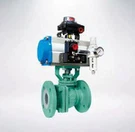
There are several types of diaphragm valves available, including Pneumatic Teflon lined diaphragm valve, pneumatic diaphragm valve, and Straight Type Diaphragm Valve. Each type has its own unique features and benefits, so it's important to choose the right valve for your specific application.
Tips for Improving Diaphragm Valve Reliability
1. Choose the Right Valve for Your Application
One of the most important factors in improving diaphragm valve reliability is choosing the right valve for your application. Consider the following factors when selecting a valve:
- Fluid Type: Different fluids have different properties, such as viscosity, temperature, and chemical composition. Make sure the valve you choose is compatible with the fluid you'll be using.
- Pressure and Temperature: The valve must be able to withstand the pressure and temperature of the fluid in the pipeline. Check the valve's specifications to ensure it can handle the conditions of your application.
- Flow Rate: The valve's size and design should be appropriate for the flow rate of the fluid. A valve that is too small may cause excessive pressure drop, while a valve that is too large may not provide accurate flow control.
2. Proper Installation
Proper installation is crucial for ensuring the reliability of a diaphragm valve. Follow these installation tips:
- Read the Manual: Before installing the valve, carefully read the manufacturer's installation manual. Make sure you understand all the instructions and warnings.
- Use the Right Tools: Use the appropriate tools for the installation, such as wrenches and seals. Using the wrong tools can damage the valve and affect its performance.
- Align the Valve Correctly: Ensure that the valve is properly aligned with the pipeline. Misalignment can cause stress on the valve and lead to premature failure.
3. Regular Maintenance
Regular maintenance is essential for keeping a diaphragm valve in good working condition. Here are some maintenance tasks you should perform:
- Inspect the Diaphragm: Check the diaphragm regularly for signs of wear, damage, or leakage. Replace the diaphragm if necessary.
- Lubricate the Actuator: If the valve has an actuator, lubricate it according to the manufacturer's recommendations. This will help ensure smooth operation and prevent corrosion.
- Clean the Valve: Clean the valve periodically to remove any dirt, debris, or buildup. This will help prevent blockages and ensure proper flow control.
4. Monitor Performance
Monitoring the performance of the diaphragm valve can help you detect any potential issues early on. Here are some ways to monitor performance:
- Check Pressure and Flow: Regularly check the pressure and flow rate of the fluid in the pipeline. Any significant changes in these parameters may indicate a problem with the valve.
- Listen for Noise: Listen for any unusual noises coming from the valve, such as rattling or hissing. These noises may indicate a leak or other issue.
- Use Monitoring Systems: Consider using monitoring systems, such as sensors or gauges, to continuously monitor the performance of the valve. This can help you detect problems in real-time and take corrective action immediately.
5. Train Your Staff
Proper training of your staff is essential for ensuring the reliable operation of diaphragm valves. Make sure your staff understands how to operate and maintain the valves correctly. Provide them with training on valve installation, maintenance, and troubleshooting.
Conclusion
Improving the reliability of a diaphragm valve requires a combination of proper selection, installation, maintenance, and monitoring. By following the tips outlined in this blog, you can increase the lifespan of your valves and reduce the risk of downtime and costly repairs.
If you're in the market for high-quality diaphragm valves, we'd love to hear from you. We offer a wide range of diaphragm valves, including Pneumatic Teflon lined diaphragm valve, pneumatic diaphragm valve, and Straight Type Diaphragm Valve. Contact us today to discuss your specific needs and get a quote.
References
- Manufacturer's installation and maintenance manuals for diaphragm valves.
- Industry standards and guidelines for valve selection and installation.