

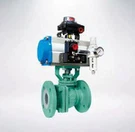
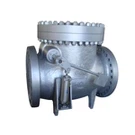
Hey there! As a supplier of Pressure Relief Valves, I've seen firsthand how crucial these little devices are in keeping systems safe. But like any piece of equipment, they don't last forever. In this blog, I'll share some tips on how to extend the lifespan of a Pressure Relief Valve.
Understanding Pressure Relief Valves
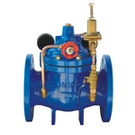
Before we dive into the tips, let's quickly go over what a Pressure Relief Valve is. Simply put, it's a safety device that automatically releases pressure from a system when it exceeds a pre - set limit. There are different types, like the Pressure Vacuum Relief Valve, pilot operated relief valve, and Surge Relief Valve. Each type has its own unique features and applications, but they all serve the same basic purpose: protecting your system from over - pressure.
Regular Inspections
One of the most important things you can do to extend the lifespan of a Pressure Relief Valve is to conduct regular inspections. You should visually inspect the valve for any signs of damage, such as cracks, corrosion, or wear. Check the valve's seals and gaskets to make sure they're in good condition. A damaged seal can lead to leaks, which not only reduces the valve's effectiveness but can also cause other problems in your system.
Inspect the valve's spring. The spring is a critical component that determines the valve's set pressure. Over time, the spring can lose its tension, which can cause the valve to open at the wrong pressure. If you notice any signs of spring fatigue, like a change in the valve's opening behavior, it might be time to replace the spring.
Proper Installation
Proper installation is key to a long - lasting Pressure Relief Valve. Make sure the valve is installed in the correct orientation. Some valves are designed to work in a specific position, and installing them incorrectly can affect their performance. Also, ensure that the valve is properly sized for your system. An undersized valve won't be able to relieve pressure quickly enough, while an oversized valve can be less accurate and more prone to problems.
Use the right tools and techniques during installation. Tighten the bolts to the correct torque specifications. Over - tightening can damage the valve, while under - tightening can cause leaks. And don't forget to follow the manufacturer's installation instructions. They're there for a reason!
Keep the Valve Clean
Dirt, debris, and contaminants can wreak havoc on a Pressure Relief Valve. They can clog the valve's orifices, preventing it from opening and closing properly. To keep the valve clean, you can use a soft brush to remove any visible dirt. If the valve is in a dirty environment, you might want to consider installing a filter upstream of the valve to catch any contaminants before they reach the valve.
In some cases, you might need to disassemble the valve for a more thorough cleaning. But be careful when doing this. Make sure you know what you're doing, and follow the manufacturer's disassembly and reassembly instructions. Incorrectly reassembling the valve can lead to serious problems.
Temperature and Pressure Management
Extreme temperatures and pressures can take a toll on a Pressure Relief Valve. Try to keep the system's operating temperature and pressure within the valve's specified range. If your system experiences frequent temperature or pressure spikes, you might need to install additional equipment, like a pressure regulator or a heat exchanger, to help manage these fluctuations.
High - pressure surges can cause the valve to open and close rapidly, which can wear out the valve's components over time. A Surge Relief Valve can be a great solution for dealing with pressure surges. It's designed to open quickly during a surge and relieve the excess pressure, protecting the main Pressure Relief Valve.
Lubrication
Some Pressure Relief Valves require lubrication to function properly. Check the manufacturer's recommendations to see if your valve needs lubrication and what type of lubricant to use. Using the wrong lubricant can damage the valve. Apply the lubricant sparingly and in the right places. Too much lubricant can attract dirt and debris, which can cause problems.
Training for Operators
Your operators play a big role in the lifespan of your Pressure Relief Valve. Make sure they're properly trained on how to operate and maintain the valve. They should know how to recognize the signs of a problem and what to do if something goes wrong. Provide them with regular training updates to keep their skills sharp.
Record - Keeping
Keep detailed records of your Pressure Relief Valve inspections, maintenance, and repairs. This can help you track the valve's performance over time and identify any trends or potential problems. You can use these records to plan future maintenance and replacements. Records also come in handy if you need to prove compliance with safety regulations.
Working with a Reputable Supplier
As a Pressure Relief Valve supplier, I can't stress enough the importance of working with a reputable supplier. A good supplier will provide you with high - quality valves that are built to last. They'll also offer technical support and advice on installation, maintenance, and troubleshooting.
When you buy from a reliable supplier, you can be confident that you're getting a valve that meets the industry standards and is suitable for your specific application. And if you ever have any problems with the valve, a good supplier will stand behind their product and help you resolve the issue.
Conclusion
Extending the lifespan of a Pressure Relief Valve isn't rocket science, but it does require some effort. By conducting regular inspections, ensuring proper installation, keeping the valve clean, managing temperature and pressure, lubricating when necessary, training your operators, and keeping good records, you can significantly increase the valve's lifespan.


If you're in the market for a new Pressure Relief Valve or need help with maintaining your existing valves, don't hesitate to reach out. We're here to help you find the right solution for your needs. Contact us today to start a procurement discussion, and let's work together to keep your systems safe and running smoothly.
References
- Pressure Relief Valve Manufacturer's Manuals
- Industry Standards for Pressure Relief Valve Maintenance and Installation