


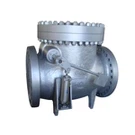
Ensuring the tight shut-off of a Knife Gate Valve is crucial for various industrial applications. As a Knife Gate Valve supplier, I understand the significance of providing valves that can effectively seal and prevent leakage. In this blog post, I will share some key factors and strategies to ensure the tight shut-off of a Knife Gate Valve.
Understanding the Basics of Knife Gate Valves
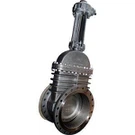
Before delving into the methods of ensuring tight shut-off, it's important to understand the basic structure and working principle of Knife Gate Valves. A Knife Gate Valve consists of a gate (the "knife") that slides up and down between two seats to control the flow of fluid. The gate is typically wedge-shaped and is designed to cut through thick, viscous, or abrasive media such as slurries, wastewater, and pulp.
There are different types of Knife Gate Valves, including Slurry Knife Gate Valve, Metal Seated Knife Gate Valve, and resilient seated knife gate valve. Each type has its own unique features and is suitable for specific applications.
Factors Affecting Tight Shut-Off
Several factors can affect the tight shut-off of a Knife Gate Valve. Understanding these factors is essential for implementing effective solutions.


Seat Material
The seat material plays a crucial role in achieving a tight seal. Different seat materials have different properties, such as hardness, chemical resistance, and abrasion resistance. For example, resilient seats made of materials like rubber or elastomers can provide a tight seal even in the presence of small particles or irregularities on the gate surface. On the other hand, metal seats are more suitable for high-temperature and high-pressure applications where durability and resistance to wear are important.
Gate Design
The design of the gate also affects the shut-off performance. A well-designed gate should have a smooth surface and a proper wedge angle to ensure a tight fit between the gate and the seats. Additionally, the gate should be able to cut through the media without causing excessive wear or damage to the seats.
Installation and Alignment
Proper installation and alignment of the valve are essential for achieving a tight shut-off. The valve should be installed in a straight section of the pipeline, and the flanges should be properly aligned to ensure a uniform pressure distribution across the seats. Any misalignment can cause uneven wear on the seats and lead to leakage.
Operating Conditions
The operating conditions, such as pressure, temperature, and flow rate, can also affect the shut-off performance of the valve. High pressures and temperatures can cause the seat material to expand or contract, which may affect the seal. Additionally, high flow rates can cause erosion or cavitation, which can damage the seats and reduce the shut-off efficiency.
Strategies for Ensuring Tight Shut-Off
Based on the above factors, here are some strategies that can be implemented to ensure the tight shut-off of a Knife Gate Valve.
Select the Right Valve Type and Seat Material
The first step is to select the right type of Knife Gate Valve and seat material based on the specific application requirements. Consider factors such as the type of media, operating conditions, and pressure ratings. For example, if the application involves handling abrasive slurries, a Slurry Knife Gate Valve with a hard-faced seat may be more suitable.
Ensure Proper Installation and Alignment
During installation, make sure to follow the manufacturer's instructions carefully. Use proper gaskets and bolts to ensure a tight seal between the valve and the pipeline. Check the alignment of the valve and make any necessary adjustments to ensure that the gate moves smoothly between the seats.
Regular Maintenance and Inspection
Regular maintenance and inspection are essential for ensuring the long-term performance of the valve. Inspect the seats and gate for signs of wear, damage, or corrosion. Replace any worn or damaged parts promptly. Lubricate the moving parts as recommended by the manufacturer to ensure smooth operation.
Monitor Operating Conditions
Monitor the operating conditions of the valve, such as pressure, temperature, and flow rate. Any significant changes in these conditions may indicate a problem with the valve or the pipeline. Take appropriate action to address the issue before it leads to a leak.
Use Auxiliary Sealing Devices
In some cases, auxiliary sealing devices can be used to enhance the shut-off performance of the valve. For example, a secondary seal can be installed around the gate to provide an additional barrier against leakage. These devices can be particularly useful in applications where a high level of sealing integrity is required.
Case Studies
To illustrate the effectiveness of these strategies, let's look at some real-world case studies.
Case Study 1: Wastewater Treatment Plant
A wastewater treatment plant was experiencing leakage problems with their Knife Gate Valves. The valves were installed in a pipeline carrying a mixture of sewage and sludge. After a thorough inspection, it was found that the seats were worn due to the abrasive nature of the media. The plant replaced the valves with Slurry Knife Gate Valves with hard-faced seats. Additionally, they implemented a regular maintenance schedule to inspect and lubricate the valves. As a result, the leakage problems were eliminated, and the plant was able to operate more efficiently.
Case Study 2: Pulp and Paper Mill
A pulp and paper mill was using Knife Gate Valves in their chemical processing lines. The valves were experiencing frequent failures due to the high temperatures and corrosive nature of the chemicals. The mill replaced the valves with Metal Seated Knife Gate Valves made of corrosion-resistant materials. They also installed temperature and pressure sensors to monitor the operating conditions of the valves. By taking these measures, the mill was able to reduce the number of valve failures and improve the overall productivity of their process.
Conclusion
Ensuring the tight shut-off of a Knife Gate Valve is essential for the safe and efficient operation of various industrial processes. By understanding the factors that affect shut-off performance and implementing the strategies outlined in this blog post, you can significantly improve the reliability and longevity of your valves.
As a Knife Gate Valve supplier, we are committed to providing high-quality valves and comprehensive technical support to our customers. If you have any questions or need assistance with selecting the right valve for your application, please feel free to contact us. We look forward to working with you to ensure the success of your projects.
References
- Valve Handbook, Third Edition, by Robert W. Saunders
- Industrial Valves: Selection, Specification, and Installation, by John P. McKetta