

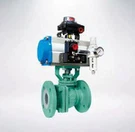
As a supplier of Ceramic Lined Ball Valves, ensuring the long - term reliability of these valves is not only our technical pursuit but also a commitment to our customers. In this blog, I will share some key strategies and considerations on how to achieve this goal.
Understanding the Working Environment
The first step in ensuring the long - term reliability of a ceramic lined ball valve is to have a thorough understanding of its working environment. Different industries and applications expose the valves to a wide range of conditions, including temperature, pressure, and the nature of the media flowing through them.
Temperature and Pressure
Extreme temperatures and high pressures can have a significant impact on the performance of a ceramic lined ball valve. At high temperatures, the ceramic lining may expand, and if the valve is not designed to accommodate this expansion, it can lead to cracking or deformation. On the other hand, low temperatures can make the ceramic more brittle. Similarly, high - pressure applications require a valve design that can withstand the forces without leaking or failing. For example, in power plants where steam at high temperatures and pressures is used, the ceramic lined ball valves need to be carefully selected and designed to ensure they can operate reliably over an extended period.
Nature of the Media
The media flowing through the valve can also pose challenges. Corrosive, abrasive, or viscous media can wear down the valve components, especially the ceramic lining. For instance, in the chemical industry, where valves are often exposed to highly corrosive chemicals, the ceramic lining must have excellent chemical resistance. Abrasive media, such as slurries in mining operations, can cause erosion of the ceramic surface, reducing the valve's lifespan. Understanding the specific characteristics of the media allows us to choose the appropriate type of ceramic and valve design to resist these effects.


High - Quality Material Selection
The quality of the materials used in the manufacturing of ceramic lined ball valves is crucial for their long - term reliability.
Ceramic Materials
There are different types of ceramic materials available, each with its own set of properties. Alumina ceramic is a popular choice due to its high hardness, wear resistance, and good chemical stability. Zirconia ceramic, on the other hand, offers higher toughness and better resistance to thermal shock. The choice of ceramic material depends on the specific requirements of the application. For applications with high - wear conditions, such as in the pulp and paper industry where the media contains fibers and particles, alumina ceramic may be the preferred option. In applications where thermal shock is a concern, zirconia ceramic can provide better performance.
Metallic Components
In addition to the ceramic lining, the metallic components of the valve, such as the body, stem, and ball, also play an important role. These components need to be made of high - quality metals that can withstand the mechanical stresses and environmental conditions. Stainless steel is a common choice for its corrosion resistance and strength. The surface treatment of these metallic components, such as coating or plating, can further enhance their resistance to corrosion and wear.
Precise Manufacturing Process
A precise manufacturing process is essential to ensure the proper functioning and long - term reliability of ceramic lined ball valves.
Ceramic Lining Installation
The installation of the ceramic lining requires high precision. Any misalignment or improper bonding between the ceramic and the valve body can lead to premature failure. The ceramic lining needs to be carefully machined to fit the valve components precisely. Advanced manufacturing techniques, such as precision grinding and polishing, are used to ensure a smooth and accurate surface finish. Additionally, the bonding process between the ceramic and the valve body must be strong enough to withstand the operating conditions. This may involve using special adhesives or brazing techniques.
Valve Assembly
The assembly of the valve components also requires strict quality control. The ball, stem, and seats need to be assembled with the correct clearances and alignment to ensure proper sealing and operation. Any deviation from the design specifications can result in leakage or reduced valve performance. During the assembly process, each component is inspected for quality and dimensional accuracy to ensure that the final valve meets the required standards.
Regular Maintenance and Inspection
Regular maintenance and inspection are vital for the long - term reliability of ceramic lined ball valves.
Inspection Schedule
Establishing a regular inspection schedule is crucial. Depending on the operating conditions, inspections can be carried out monthly, quarterly, or annually. During these inspections, the valve is checked for signs of wear, corrosion, or damage. The ceramic lining is inspected for cracks, chips, or erosion. The seals and gaskets are also examined for leaks. Any issues identified during the inspection should be addressed promptly to prevent further damage.
Maintenance Procedures
Maintenance procedures may include cleaning the valve, lubricating the moving parts, and replacing worn - out components. Cleaning the valve helps to remove any debris or deposits that may accumulate on the valve surfaces, which can affect its performance. Lubricating the moving parts, such as the stem and ball, reduces friction and wear, ensuring smooth operation. Replacing worn - out components, such as seals or gaskets, can prevent leakage and extend the valve's lifespan.
Comparison with Other Valve Types
It is also beneficial to compare ceramic lined ball valves with other valve types to understand their advantages and limitations. For example, PFA Lined Ball Valve is another type of lined valve. While PFA lined ball valves offer good chemical resistance, ceramic lined ball valves generally have better wear resistance, making them more suitable for applications with abrasive media. DBB ball valve provides a high - level of isolation and safety, but ceramic lined ball valves can offer better performance in terms of long - term reliability in harsh environments. Ball Valve Floating Type is a common type of ball valve, but ceramic lined ball valves can provide better sealing and durability in corrosive and abrasive applications.
Conclusion
Ensuring the long - term reliability of ceramic lined ball valves requires a comprehensive approach that includes understanding the working environment, selecting high - quality materials, implementing a precise manufacturing process, and conducting regular maintenance and inspection. By following these strategies, we can provide our customers with valves that can operate reliably over an extended period, reducing downtime and maintenance costs.
If you are interested in our Ceramic Lined Ball Valves or have any questions about ensuring their long - term reliability, we invite you to contact us for further discussion and potential procurement. Our team of experts is ready to assist you in finding the best valve solutions for your specific applications.
References
- Smith, J. (2018). Valve Technology Handbook. Elsevier.
- Jones, R. (2019). Ceramic Materials in Industrial Applications. Springer.
- Brown, A. (2020). Maintenance and Reliability of Industrial Valves. Taylor & Francis.