

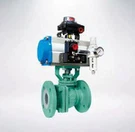
Hey there! As a ball valve supplier, I've seen firsthand how important it is to keep ball valves used in food applications clean. Not only does it ensure the quality and safety of the food products, but it also extends the lifespan of the valves. In this blog post, I'll share some tips on how to clean a ball valve used in food applications.
Why Cleaning is Crucial for Food Applications
Before we dive into the cleaning process, let's talk about why it's so important to keep ball valves clean in food applications. Food products are highly sensitive to contamination, and any foreign particles or bacteria in the valve can lead to spoilage or even health risks for consumers. Additionally, a dirty valve can affect the flow rate and pressure of the food product, leading to inconsistent production and potential quality issues.


Pre-Cleaning Preparation
Before you start cleaning the ball valve, there are a few things you need to do to prepare. First, make sure you have all the necessary tools and cleaning agents. You'll typically need a soft brush, a clean cloth, a mild detergent, and water. Avoid using abrasive materials or harsh chemicals, as they can damage the valve's surface and contaminate the food product.
Next, shut off the valve and isolate it from the food system. This will prevent any food product from flowing through the valve during the cleaning process. You may also need to drain any remaining food product from the valve and the surrounding pipes.
Disassembly of the Ball Valve
Once you've prepared the necessary tools and isolated the valve, it's time to disassemble it. The disassembly process may vary depending on the type of ball valve you have. For example, a V Port Ball Valve may have a different design compared to a Trunnion Mounted Ball Valve or a Seated Ball Valve.
In general, you'll need to remove the valve's end caps, stem, and ball. Use the appropriate tools, such as wrenches or screwdrivers, to loosen and remove the fasteners. Be careful not to damage any of the components during the disassembly process.
Cleaning the Components
Now that you've disassembled the ball valve, it's time to clean each component. Start by soaking the components in a solution of mild detergent and water. Let them soak for a few minutes to loosen any dirt or debris. Then, use a soft brush to gently scrub the components, paying special attention to the valve's seats, ball, and stem.
Rinse the components thoroughly with clean water to remove any remaining detergent. Make sure to remove all traces of the detergent, as it can contaminate the food product. You may need to repeat the soaking and scrubbing process if the components are particularly dirty.
Inspection of the Components
After cleaning the components, it's important to inspect them for any signs of damage or wear. Look for cracks, scratches, or other defects on the valve's seats, ball, and stem. If you notice any damage, you may need to replace the affected component to ensure the valve's proper functioning.
You should also check the valve's seals and gaskets for any signs of wear or damage. If the seals or gaskets are worn or damaged, they may need to be replaced to prevent leaks.
Reassembly of the Ball Valve
Once you've inspected the components and ensured they are in good condition, it's time to reassemble the ball valve. Start by applying a thin layer of food-grade lubricant to the valve's seats, ball, and stem. This will help to reduce friction and ensure smooth operation of the valve.
Then, carefully reassemble the valve, following the reverse order of disassembly. Make sure to tighten the fasteners securely, but not too tightly, as this can damage the components.
Testing the Cleaned Ball Valve
After reassembling the ball valve, it's important to test it to ensure it is functioning properly. Open and close the valve several times to make sure it operates smoothly. Check for any leaks or abnormal noises. If you notice any issues, you may need to disassemble the valve again and troubleshoot the problem.
Regular Maintenance and Cleaning Schedule
To keep your ball valve in good condition and ensure the safety and quality of your food products, it's important to establish a regular maintenance and cleaning schedule. Depending on the frequency of use and the type of food product, you may need to clean the valve daily, weekly, or monthly.
In addition to regular cleaning, you should also perform routine inspections of the valve to check for any signs of wear or damage. Replace any worn or damaged components as soon as possible to prevent costly breakdowns and ensure the valve's reliable operation.
Conclusion
Cleaning a ball valve used in food applications is a crucial step in ensuring the safety and quality of your food products. By following the steps outlined in this blog post, you can effectively clean your ball valve and keep it in good condition. Remember to use the appropriate tools and cleaning agents, and to follow a regular maintenance and cleaning schedule.
If you have any questions or need further assistance with cleaning or maintaining your ball valve, please don't hesitate to contact us. We're a leading ball valve supplier, and we're here to help you find the right solutions for your food application needs. Whether you're looking for a V Port Ball Valve, a Trunnion Mounted Ball Valve, or a Seated Ball Valve, we've got you covered. Reach out to us today to start a conversation about your specific requirements and let's work together to ensure the smooth operation of your food processing systems.
References
- "Food Safety and Sanitation in the Food Industry," Food and Agriculture Organization of the United Nations.
- "Valve Maintenance and Troubleshooting Guide," Valve Manufacturers Association.