

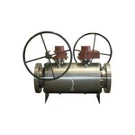
As a trusted supplier of top entry ball valves, I understand the critical importance of regularly checking the internal components of these valves to ensure their optimal performance and longevity. In this blog post, I'll share a comprehensive guide on how to check the internal components of a top entry ball valve, drawing on my experience in the industry.
Pre - inspection Preparations
Before you start inspecting the internal components of a top entry ball valve, it's essential to take some preparatory steps. First, make sure the valve is completely isolated from the system. This involves shutting off the flow of the medium (such as gas or liquid) through the valve and relieving any pressure within the valve body. You can use pressure gauges to confirm that the pressure has been safely released.
Next, gather all the necessary tools. These typically include wrenches, screwdrivers, calipers, and a flashlight. Having the right tools on hand will make the inspection process smoother and more efficient.
External Inspection
Begin the inspection by examining the external part of the valve. Look for any signs of physical damage, such as cracks, dents, or corrosion on the valve body. Pay close attention to the areas around the flanges and the bonnet. Corrosion can weaken the structural integrity of the valve and lead to leaks over time. If you notice any significant damage, it may be necessary to replace the valve or carry out extensive repairs.
Check the valve's nameplate to ensure that it is correctly installed and that the valve specifications match the requirements of the system. The nameplate should provide information such as the valve size, pressure rating, and material of construction.
Disassembly of the Valve
Once the external inspection is complete, it's time to disassemble the valve to access the internal components. Start by removing the bonnet bolts using the appropriate wrenches. Carefully lift off the bonnet, taking note of any gaskets or seals that are in place. These gaskets and seals play a crucial role in preventing leaks, so handle them with care to avoid damage.
After removing the bonnet, you'll be able to see the ball, stem, and seats. These are the key internal components of the top entry ball valve.
Inspection of the Ball
The ball is one of the most critical components of the top entry ball valve. Inspect the ball for any signs of wear, scratches, or pitting. Wear on the ball can affect the valve's sealing performance and lead to leakage. Use a caliper to measure the diameter of the ball at multiple points to ensure that it is within the specified tolerance.
Check the surface finish of the ball. A smooth surface is essential for proper sealing. If you notice any rough areas or irregularities, it may be necessary to polish the ball or replace it if the damage is severe.
Inspection of the Stem
The stem is responsible for rotating the ball within the valve body. Inspect the stem for signs of bending, corrosion, or excessive wear. A bent stem can cause the ball to misalign, resulting in poor sealing. Check the stem's threads for any damage or wear. The threads should be clean and free of debris to ensure smooth operation.
Examine the stem packing. The stem packing is designed to prevent leakage around the stem. Look for signs of compression, degradation, or leakage. If the stem packing is in poor condition, it may need to be replaced.
Inspection of the Seats
The seats are the components that provide the sealing surface against the ball. Inspect the seats for wear, scratches, or damage. The seats should be smooth and free of any debris. Use a magnifying glass to look for any small cracks or imperfections that may not be visible to the naked eye.
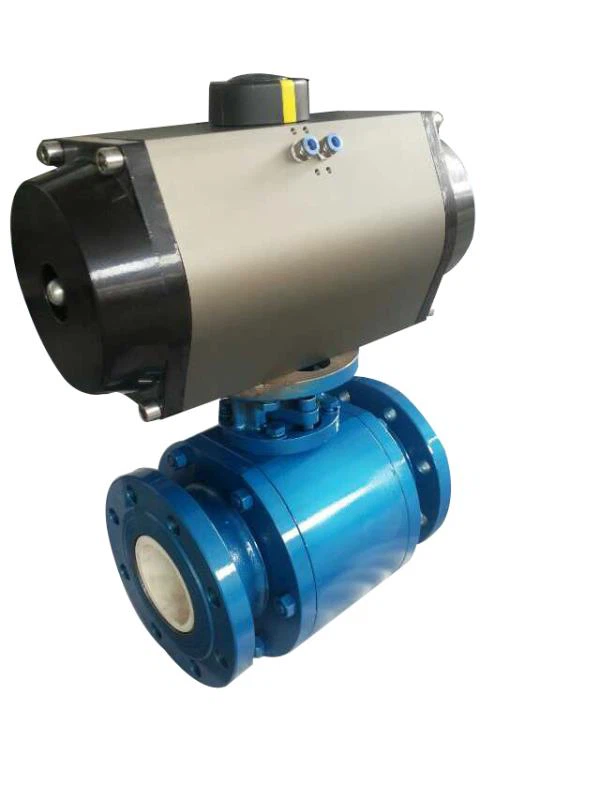
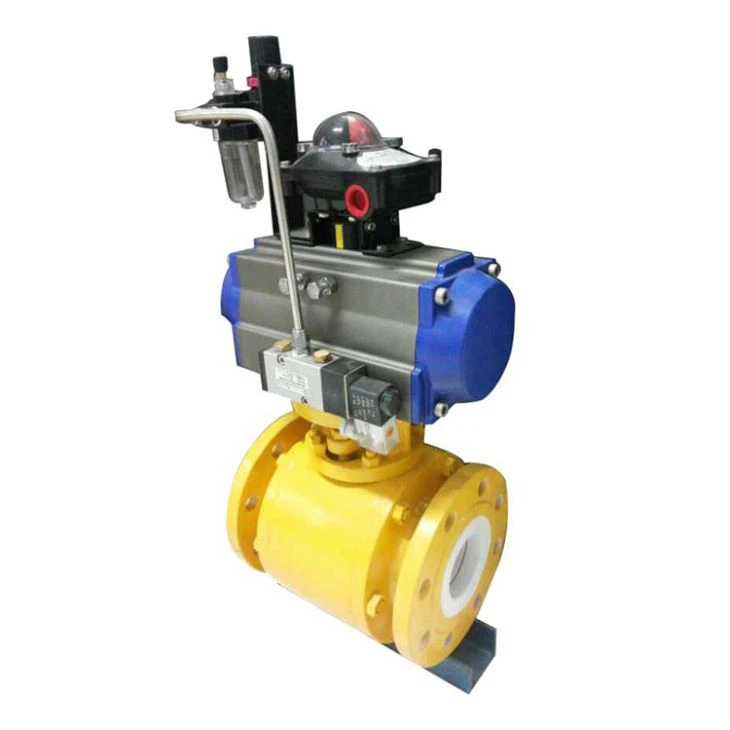
Check the seat material. Different applications may require different seat materials, such as PTFE, metal, or Ceramic Lined Ball Valve. Ensure that the seat material is suitable for the medium and operating conditions of the system.
Reassembly and Testing
After inspecting all the internal components, it's time to reassemble the valve. Clean all the components thoroughly before reassembly to remove any dirt, debris, or corrosion products. Replace any damaged gaskets, seals, or components as necessary.
When reassembling the valve, make sure to tighten the bonnet bolts to the specified torque. Over - tightening or under - tightening the bolts can lead to leakage or damage to the valve.
Once the valve is reassembled, it should be tested to ensure that it is functioning correctly. You can perform a pressure test to check for leaks. Slowly introduce pressure into the valve and monitor for any signs of leakage around the valve body, bonnet, or stem.
Importance of Regular Inspections
Regularly checking the internal components of a top entry ball valve is crucial for maintaining the valve's performance and reliability. By detecting and addressing issues early, you can prevent costly downtime and repairs. It also helps to ensure the safety of the system by preventing leaks of hazardous materials.
Different types of top entry ball valves, such as API 6D Floating Type Ball Valve and DBB ball valve, may have specific inspection requirements based on their design and application. It's important to follow the manufacturer's guidelines for inspection and maintenance.
Conclusion
Checking the internal components of a top entry ball valve is a detailed process that requires careful attention to detail. By following the steps outlined in this blog post, you can ensure that your valves are in good working condition and provide reliable service.
If you're in the market for high - quality top entry ball valves or need further advice on valve inspection and maintenance, I encourage you to reach out. Our team of experts is ready to assist you in finding the right valve solutions for your specific needs. Contact us to start a discussion about your procurement requirements.
References
- Valve Handbook, 4th Edition by J. S. T. Smith
- API 6D Standard for Pipeline Valves