

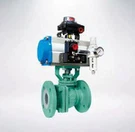
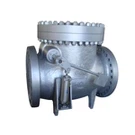
As a globe valve supplier, I've seen firsthand how the flow resistance of these valves can have a significant impact on a system. In this blog, I'll dive into what flow resistance is, how it affects different systems, and why choosing the right globe valve matters.
Let's start with the basics. Flow resistance, in simple terms, is the opposition that a fluid (like water or gas) faces as it moves through a valve. Think of it like trying to push a ball through a narrow tube. The narrower the tube, the harder it is to push the ball, right? That's similar to what happens with fluid flowing through a valve. When there's high flow resistance, the fluid has to work harder to get through, which can lead to all sorts of issues in a system.
One of the most obvious effects of high flow resistance in a globe valve is a drop in pressure. As the fluid struggles to pass through the valve, the pressure on the upstream side builds up, while the pressure on the downstream side decreases. This pressure drop can cause problems in a system, especially if it's a system that relies on consistent pressure to function properly. For example, in a water supply system, a significant pressure drop can result in reduced water flow to faucets and appliances, making it difficult to use them effectively.
Another issue that can arise from high flow resistance is increased energy consumption. When a fluid has to work harder to overcome the resistance in a valve, more energy is required to pump it through the system. This means higher energy bills for the end - user. In industrial settings, where large volumes of fluid are being pumped continuously, the increase in energy consumption can be quite substantial over time.
Now, let's talk about how different types of globe valves can vary in terms of flow resistance. There are several types of globe valves, each with its own design and characteristics.
The Bellow Sealed Globe Valve is a popular choice in many applications. It features a bellows seal that provides a tight seal to prevent leakage. However, the design of the bellows can sometimes contribute to higher flow resistance compared to other types of valves. The bellows can create a more tortuous path for the fluid to flow through, causing it to slow down and face more resistance.
On the other hand, the Pressure Seal Globe Valve is designed to handle high - pressure applications. It has a unique pressure - seal bonnet that allows it to maintain a tight seal even under extreme pressure conditions. In terms of flow resistance, the pressure - seal design can sometimes be more streamlined, resulting in lower flow resistance compared to some other valve types. This is because the internal components are designed to minimize obstructions to the fluid flow.
The Straight Globe Valve is another common type. As the name suggests, it has a relatively straight flow path, which generally results in lower flow resistance compared to valves with more complex designs. The straight design allows the fluid to flow more smoothly through the valve, reducing the amount of energy needed to pump it.
So, how do you choose the right globe valve to minimize flow resistance in your system? Well, it depends on several factors. First, you need to consider the specific requirements of your system, such as the type of fluid being transported, the pressure and temperature conditions, and the required flow rate. If you're dealing with a high - pressure system, a pressure - seal globe valve might be a good choice. If you need a valve that can prevent leakage in a sensitive environment, a bellow - sealed globe valve could be more suitable.
It's also important to look at the valve's size and the internal design. A valve that is too small for the flow rate of your system will likely have higher flow resistance. Similarly, a valve with a complex internal design that creates a lot of obstructions for the fluid will also increase resistance.
As a globe valve supplier, I've helped many customers choose the right valve for their systems. I've seen how the right valve can improve the efficiency of a system, reduce energy consumption, and prevent costly downtime. That's why it's so important to do your research and choose a valve that is specifically designed to meet the needs of your system.
If you're in the market for a globe valve and want to learn more about how to minimize flow resistance in your system, I'd love to help. We have a wide range of globe valves available, each carefully designed to offer the best performance and the lowest possible flow resistance. Whether you're working on a small - scale residential project or a large - scale industrial application, we can provide you with the right valve solution.
Don't hesitate to reach out to us for more information. Our team of experts is always ready to answer your questions and help you make the right decision. Let's work together to improve the efficiency of your system and reduce your energy costs.
References


- "Valve Handbook: A Guide to Valve Selection and Application" - A comprehensive guide that provides in - depth information on different types of valves and their performance characteristics.
- "Fluid Mechanics for Engineers" - This book offers a detailed understanding of fluid flow and resistance in various systems, which is relevant to understanding how globe valves affect fluid flow.
- Industry reports on valve technology and innovation, which provide insights into the latest developments in globe valve design to reduce flow resistance.