

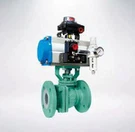
The design of a metal seated ball valve plays a pivotal role in determining its performance across various industrial applications. As a trusted supplier of Metal Seated Ball Valve, we understand the intricate relationship between design elements and the valve's functionality, reliability, and efficiency. In this blog, we will delve into the key design aspects of metal seated ball valves and explore how they impact the valve's overall performance.
Sealing Design
One of the most critical design features of a metal seated ball valve is its sealing mechanism. The primary function of the seal is to prevent leakage of the fluid or gas being controlled by the valve. Metal seated ball valves typically use a metal-to-metal sealing design, which offers several advantages over other sealing materials such as elastomers.
Metal seals are highly resistant to high temperatures, pressures, and corrosive media, making them suitable for demanding applications in industries such as oil and gas, chemical processing, and power generation. The precision machining of the ball and seat surfaces ensures a tight seal, even under extreme operating conditions. Additionally, the metal-to-metal contact provides excellent wear resistance, extending the valve's service life and reducing maintenance requirements.
However, the design of the metal seal also presents some challenges. The hardness and brittleness of the metal materials can make them susceptible to damage from particles or debris in the fluid. To address this issue, some metal seated ball valves incorporate features such as self-cleaning seats or anti-wear coatings to enhance the seal's durability and performance.
Ball Design
The design of the ball is another crucial factor that affects the performance of a metal seated ball valve. The ball is responsible for controlling the flow of the fluid by rotating within the valve body. The shape, size, and material of the ball can have a significant impact on the valve's flow characteristics, pressure drop, and sealing performance.
Most metal seated ball valves use a spherical ball design, which provides a smooth and uniform flow path. The ball's diameter is typically selected based on the valve's size and the required flow capacity. A larger ball diameter can result in a lower pressure drop and higher flow rate, but it may also increase the valve's size and weight.
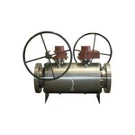
In addition to the spherical design, some metal seated ball valves use a trunnion-mounted ball design. In this design, the ball is supported by trunnions at the top and bottom, which reduces the load on the seats and allows for more precise control of the valve's position. Trunnion-mounted ball valves are commonly used in high-pressure applications where the valve needs to withstand significant forces.
The material of the ball is also an important consideration. Metal balls are typically made from materials such as stainless steel, carbon steel, or alloy steel, depending on the application requirements. The choice of material can affect the ball's hardness, corrosion resistance, and wear resistance.
Valve Body Design
The design of the valve body has a significant impact on the overall performance of the metal seated ball valve. The valve body houses the ball, seats, and other internal components, and it provides the structural support for the valve. The shape, size, and material of the valve body can affect the valve's flow characteristics, pressure rating, and corrosion resistance.
Most valve bodies are designed with a straight-through flow path, which minimizes the pressure drop and turbulence in the fluid. The valve body's size is typically determined by the valve's nominal size and the required flow capacity. A larger valve body can accommodate a larger ball and provide a higher flow rate, but it may also increase the valve's weight and cost.
The material of the valve body is selected based on the application requirements, such as the fluid type, temperature, and pressure. Common materials used for valve bodies include cast iron, cast steel, and forged steel. Each material has its own advantages and disadvantages in terms of strength, corrosion resistance, and machinability.
Actuator Design
The actuator is responsible for operating the metal seated ball valve, opening and closing it to control the flow of the fluid. The design of the actuator can have a significant impact on the valve's performance, reliability, and ease of operation.
There are several types of actuators available for metal seated ball valves, including electric, pneumatic, and hydraulic actuators. Each type of actuator has its own advantages and disadvantages, depending on the application requirements.
Electric actuators are commonly used in applications where precise control and automation are required. They offer high accuracy and repeatability, and they can be easily integrated with control systems. However, electric actuators can be more expensive and require a power source.
Pneumatic actuators use compressed air to operate the valve. They are simple, reliable, and cost-effective, and they are suitable for a wide range of applications. However, pneumatic actuators may require additional equipment such as air compressors and regulators.
Hydraulic actuators use hydraulic fluid to operate the valve. They offer high force and torque capabilities, making them suitable for high-pressure applications. However, hydraulic actuators are more complex and expensive than electric or pneumatic actuators, and they require a hydraulic power unit.


Impact on Performance
The design of the metal seated ball valve has a direct impact on its performance in terms of flow control, sealing effectiveness, durability, and reliability. A well-designed valve will provide accurate and consistent flow control, minimize leakage, and withstand the harsh operating conditions of industrial applications.
The sealing design of the valve determines its ability to prevent leakage of the fluid. A tight seal is essential for maintaining the integrity of the system and preventing environmental contamination. The ball design affects the valve's flow characteristics and pressure drop. A smooth and uniform flow path reduces turbulence and energy loss, improving the system's efficiency.
The valve body design provides the structural support for the valve and protects the internal components from damage. A robust valve body can withstand high pressures and temperatures, ensuring the valve's long-term reliability. The actuator design determines the ease of operation and the accuracy of the valve's positioning. A suitable actuator will provide smooth and precise control, allowing for efficient operation of the system.
Conclusion
In conclusion, the design of a metal seated ball valve is a complex and critical process that affects its performance, reliability, and efficiency in various industrial applications. As a Metal Seated Ball Valve supplier, we are committed to providing high-quality valves that are designed to meet the specific needs of our customers. By understanding the key design aspects of metal seated ball valves and their impact on performance, we can help our customers select the right valve for their applications and ensure optimal system operation.
If you are in need of a high-performance metal seated ball valve for your industrial application, we invite you to contact us for a consultation. Our team of experts will work with you to understand your requirements and recommend the most suitable valve design for your needs. With our extensive experience and commitment to quality, we are confident that we can provide you with a reliable and efficient solution for your flow control needs.
References
- API 6D: Specification for Pipeline Valves
- ASME B16.34: Valves - Flanged, Threaded, and Welding End
- ISO 17292: Petroleum, petrochemical and natural gas industries - Ball valves