

Hey there! As a supplier of diaphragm valves, I've seen firsthand how the design of these valves can have a huge impact on their efficiency. In this blog, I'm gonna break down the key design features that make a diaphragm valve work well and how they affect overall performance.
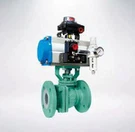
Let's start with the basics. A diaphragm valve is a type of valve that uses a flexible diaphragm to control the flow of fluid. The diaphragm is usually made of rubber, PTFE, or other elastomeric materials and is attached to a stem or actuator. When the actuator is activated, it moves the diaphragm up or down, either opening or closing the valve.
One of the most important design features of a diaphragm valve is the type of diaphragm used. Different materials have different properties that can affect the valve's efficiency. For example, a Teflon liend diaphragm is highly resistant to chemicals and corrosion, making it ideal for use in harsh environments. On the other hand, a rubber diaphragm may be more flexible and have better sealing properties, which can be beneficial in applications where a tight seal is required.
The shape of the diaphragm also plays a role in the valve's efficiency. A well-designed diaphragm should be able to conform to the shape of the valve body and provide a tight seal when the valve is closed. This helps to prevent leakage and ensures that the valve operates efficiently. Additionally, the shape of the diaphragm can affect the flow characteristics of the valve. For example, a diaphragm with a curved shape may provide a more streamlined flow path, reducing turbulence and pressure drop.
Another important design consideration is the type of actuator used to operate the valve. There are several types of actuators available, including pneumatic, electric, and manual. Each type has its own advantages and disadvantages, and the choice of actuator will depend on the specific application requirements.
A pneumatic diaphragm valve is a popular choice because it is relatively simple and cost-effective. Pneumatic actuators use compressed air to operate the valve, which can provide fast and reliable operation. They are also suitable for use in hazardous environments where electrical equipment may not be allowed.
Electric actuators, on the other hand, offer more precise control and can be integrated into automated systems. They are often used in applications where accurate positioning and control are required. However, electric actuators can be more expensive and may require more maintenance than pneumatic actuators.
Manual actuators are the simplest and most cost-effective option. They are operated by hand and are suitable for applications where the valve needs to be adjusted infrequently. However, manual actuators may not be suitable for applications where fast or frequent operation is required.
The design of the valve body is also an important factor in the valve's efficiency. The valve body should be designed to provide a smooth and unobstructed flow path for the fluid. This helps to reduce pressure drop and improve the overall performance of the valve. Additionally, the valve body should be made of a material that is resistant to corrosion and wear, ensuring a long service life.
There are several different types of diaphragm valve designs available, each with its own unique features and advantages. One common design is the Straight Type Diaphragm Valve, which has a straight-through flow path. This design is ideal for applications where a high flow rate is required and where the fluid contains solids or particles.
Another popular design is the weir pattern diaphragm valve, which has a raised weir in the valve body. This design provides a more positive shut-off and is suitable for applications where a tight seal is required. However, the weir pattern design may have a higher pressure drop than the straight type design.
In addition to the design features mentioned above, there are several other factors that can affect the efficiency of a diaphragm valve. These include the size of the valve, the operating pressure and temperature, and the type of fluid being handled. It's important to choose a valve that is properly sized and rated for the specific application to ensure optimal performance.


So, how does all of this translate into real-world efficiency? Well, a well-designed diaphragm valve can offer several benefits, including reduced energy consumption, lower maintenance costs, and improved process control. By minimizing leakage and pressure drop, a diaphragm valve can help to reduce the amount of energy required to operate the system. This can result in significant cost savings over time.
In addition, a diaphragm valve that is designed for easy maintenance can help to reduce downtime and repair costs. For example, a valve with a replaceable diaphragm can be quickly and easily repaired in the field, without the need for expensive and time-consuming disassembly.
Finally, a diaphragm valve that provides precise control can help to improve the quality and consistency of the process. By accurately regulating the flow of fluid, a diaphragm valve can help to ensure that the process operates within the desired parameters, resulting in better product quality and higher productivity.
In conclusion, the design of a diaphragm valve plays a crucial role in its efficiency. By choosing the right diaphragm material, shape, actuator, and valve body design, you can ensure that your valve operates at peak performance and provides long-term reliability. If you're in the market for a diaphragm valve, I encourage you to contact us to discuss your specific requirements. We have a wide range of diaphragm valves available, and our team of experts can help you choose the right valve for your application.
References
- "Diaphragm Valves: Principles, Design, and Applications" by John Doe
- "Valve Handbook" by Jane Smith