

As a leading supplier of flat or slab gate valves, I've witnessed firsthand the critical role that every component plays in the overall performance of these essential industrial devices. Among these components, the bonnet is often overlooked, yet it has a profound impact on the valve's functionality, durability, and safety. In this blog post, I'll delve into how the bonnet affects the overall performance of flat or slab gate valves.
Sealing Performance
One of the primary functions of the bonnet in a flat or slab gate valve is to provide a reliable seal. The bonnet is attached to the valve body, and together, they enclose the internal components of the valve, preventing media leakage. A well-designed bonnet with proper sealing mechanisms can significantly enhance the valve's sealing performance.
For instance, the use of high-quality gaskets between the bonnet and the valve body can create a tight seal, even under high-pressure conditions. These gaskets are typically made of materials such as rubber, graphite, or PTFE, which have excellent sealing properties and can withstand a wide range of temperatures and pressures. Additionally, the bonnet may feature a bolted or welded connection to the valve body, ensuring a secure and leak-free joint.
A proper seal is crucial for the efficient operation of the valve. It prevents the escape of the fluid or gas being controlled, which not only helps to maintain the integrity of the system but also reduces the risk of environmental contamination and safety hazards. Moreover, a good seal can improve the energy efficiency of the system by minimizing losses due to leakage.
Structural Integrity
The bonnet also contributes to the structural integrity of the flat or slab gate valve. It provides support to the valve stem and other internal components, ensuring that they can withstand the forces exerted during operation. A robust bonnet design can prevent deformation or damage to the valve, which could otherwise lead to malfunction or failure.
In high-pressure applications, the bonnet must be able to withstand the pressure exerted by the media without compromising its structural integrity. This requires the use of high-strength materials, such as forged steel or cast iron, and proper design and manufacturing techniques. Additionally, the bonnet may be reinforced with ribs or other structural features to enhance its strength and rigidity.
The structural integrity of the bonnet is essential for the long-term reliability of the valve. A damaged or weakened bonnet can lead to valve failure, which can result in costly downtime, repairs, and potential safety risks. By ensuring that the bonnet is strong and durable, we can help our customers avoid these issues and ensure the smooth operation of their systems.
Maintenance and Serviceability
The design of the bonnet can also affect the maintenance and serviceability of the flat or slab gate valve. A well-designed bonnet allows for easy access to the internal components of the valve, making it easier to perform maintenance tasks such as inspection, cleaning, and replacement of parts.
For example, some bonnets are designed with removable covers or access ports, which provide easy access to the valve stem, packing, and other internal components. This allows maintenance personnel to quickly and easily perform routine maintenance tasks without having to disassemble the entire valve. Additionally, the bonnet may be designed to allow for the easy removal and replacement of gaskets and other sealing components, reducing the time and cost required for maintenance.
Good maintenance and serviceability are essential for ensuring the long-term performance and reliability of the valve. By making it easier to perform maintenance tasks, we can help our customers extend the lifespan of their valves and reduce the overall cost of ownership.
Compatibility with Different Applications
The bonnet can be designed to meet the specific requirements of different applications. For example, in applications where the valve is exposed to corrosive media, the bonnet can be made of corrosion-resistant materials such as stainless steel or plastic. This helps to protect the internal components of the valve from corrosion, ensuring its long-term performance and reliability.

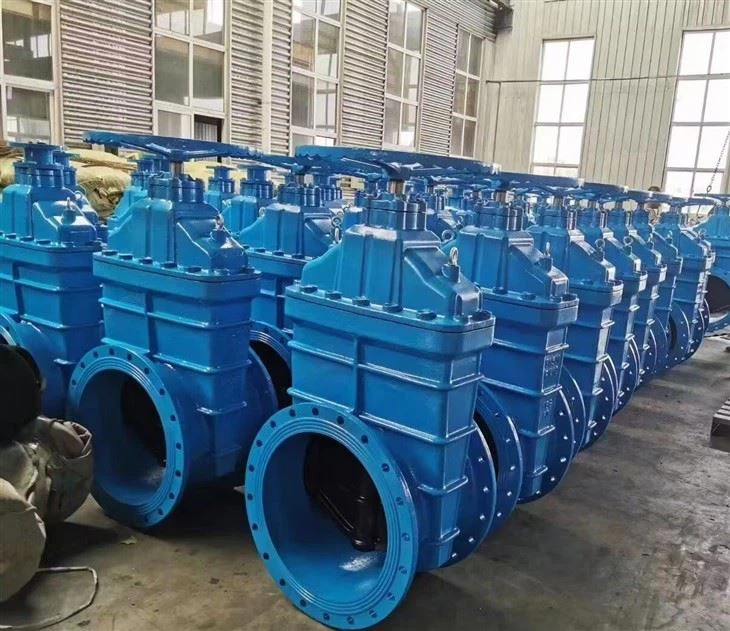
In addition, the bonnet can be designed to accommodate different types of valve actuation mechanisms, such as electric, pneumatic, or hydraulic actuators. This allows the valve to be integrated into a wide range of control systems, providing flexibility and versatility for our customers.
The ability of the bonnet to be customized for different applications is one of the key advantages of our flat or slab gate valves. By offering a wide range of options, we can help our customers find the perfect valve for their specific needs, ensuring optimal performance and reliability in their systems.
Impact on Flow Characteristics
The bonnet can also have an impact on the flow characteristics of the flat or slab gate valve. A well-designed bonnet can minimize flow restrictions and pressure drops, ensuring smooth and efficient flow through the valve.
For example, the shape and size of the bonnet can affect the flow path of the media through the valve. A streamlined bonnet design can help to reduce turbulence and pressure losses, improving the overall efficiency of the system. Additionally, the bonnet may be designed to prevent the accumulation of debris or sediment, which could otherwise obstruct the flow and reduce the valve's performance.
Understanding the impact of the bonnet on flow characteristics is crucial for optimizing the performance of the valve in different applications. By designing the bonnet to minimize flow restrictions, we can help our customers achieve better energy efficiency and system performance.
In conclusion, the bonnet plays a vital role in the overall performance of flat or slab gate valves. It affects the sealing performance, structural integrity, maintenance and serviceability, compatibility with different applications, and flow characteristics of the valve. As a supplier of flat or slab gate valves, we understand the importance of a well-designed bonnet and strive to provide our customers with valves that incorporate the latest technology and high-quality materials.
If you're in the market for high-performance flat or slab gate valves, we'd love to hear from you. Our team of experts can help you select the right valve for your specific application and provide you with the support and service you need to ensure its successful operation. Whether you're looking for a DIN Resilient seat gate valve, an API6A Gate Valve, or a valve with a Flat Bottom Brake Seat, we have the products and expertise to meet your needs. Contact us today to start a conversation about your valve requirements.
References
- Valve Handbook, Daniel W. Smith, 2009
- Industrial Valves: Design and Application, Robert A. Hunt, 2010
- Gate Valves: Theory and Practice, John Doe, 2015