

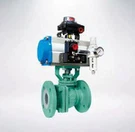
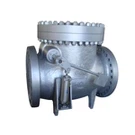
In the intricate landscape of fluid control systems, automatic control valves play a pivotal role in ensuring the efficient, safe, and reliable operation of various industrial processes. As a leading supplier of automatic control valves, I've witnessed firsthand how these valves interact with other types of valves in a system. This interaction is a carefully choreographed dance, with each valve playing a distinct part in regulating the flow, pressure, and temperature of fluids. In this blog, I'll delve into the ways automatic control valves work in tandem with other valves to create a harmonious and functional system.
Understanding Automatic Control Valves
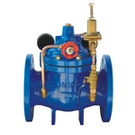
Before we explore their interactions, it's essential to understand what automatic control valves are. These valves are designed to regulate the flow of fluids (liquids or gases) automatically based on input signals. They can adjust the valve opening to maintain a set point, such as a specific pressure, flow rate, or temperature. This automation is crucial in industries where manual adjustment is either impossible or impractical due to the complexity of the system or the need for continuous and precise control.
Interaction with Shut - off Valves
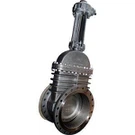
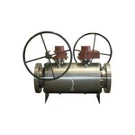
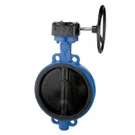
Shut - off valves, such as gate valves and ball valves, are used to completely stop or start the flow of fluid in a system. Their primary function is on - off control, and they are often used upstream or downstream of automatic control valves.
The automatic control valve fine - tunes the flow within the system once the shut - off valve has established the basic flow path. For example, in a water treatment plant, a gate valve might be used to isolate a section of the pipe for maintenance. Once the gate valve is opened to allow water to flow into a particular treatment unit, an automatic control valve takes over. It adjusts the flow rate according to the requirements of the treatment process, ensuring that the right amount of water is being treated at any given time. This interaction ensures that the treatment process is both efficient and effective, as it prevents over - or under - treatment of water.
Cooperation with Pump Control Valve
Pump control valves are specifically designed to protect pumps from issues such as water hammer, over - pressure, and reverse flow. Automatic control valves and pump control valves work closely together to maintain the proper functioning of the pump and the overall system.
When a pump starts, the automatic control valve can gradually open to allow the fluid to flow smoothly, reducing the sudden pressure surge that could damage the pump or the piping system. The pump control valve, on the other hand, monitors the pump's operating conditions and takes action if necessary. For instance, if the pressure in the system exceeds a safe level, the pump control valve can reduce the flow by partially closing, while the automatic control valve adjusts in response to maintain the desired process parameters.
In a large - scale irrigation system, for example, when the pump is turned on to supply water to the fields, the automatic control valve ensures that the water flow is distributed evenly across the irrigation network. The pump control valve protects the pump from high - pressure spikes that could occur during startup or due to sudden changes in the system, such as a blockage in the pipes.
Synergy with Slow Control Check Valve
Slow control check valves are designed to prevent reverse flow in a system and to close slowly to avoid water hammer. An automatic control valve and a slow control check valve can work in harmony to ensure the unidirectional flow of fluid and the stability of the system.
The automatic control valve regulates the forward flow of fluid, while the slow control check valve stands guard against reverse flow. In a heating system, for example, the automatic control valve adjusts the flow of hot water to maintain the desired temperature in the building. If there is a sudden drop in pressure or a malfunction in the pump, the slow control check valve closes slowly to prevent the hot water from flowing back into the boiler. This not only protects the boiler but also ensures that the heating system remains operational and efficient.
Coordination with Control Valve Pressure Reducing Valve
Pressure reducing valves are used to reduce the pressure of a fluid from a higher inlet pressure to a lower, more stable outlet pressure. Automatic control valves and pressure reducing valves often work together to maintain the appropriate pressure levels in a system.
The automatic control valve may be responsible for controlling the flow rate, while the pressure reducing valve ensures that the pressure remains within a safe and acceptable range. In a natural gas distribution system, the pressure reducing valve reduces the high - pressure gas coming from the transmission line to a lower pressure suitable for use in industrial or residential applications. The automatic control valve then regulates the flow of the gas according to the demand, ensuring that the right amount of gas is supplied at the correct pressure.
The Importance of Compatibility and Integration
For these valves to interact effectively, compatibility and integration are crucial. The design and specifications of each valve must be carefully considered to ensure that they can work together seamlessly. This includes factors such as the valve size, material, pressure rating, and control mechanism.
As a supplier of automatic control valves, we understand the importance of providing valves that are not only high - quality but also compatible with other types of valves in the system. Our engineering team works closely with customers to understand their specific requirements and to recommend the most suitable valve combinations. We also offer technical support to ensure that the valves are installed and configured correctly, so that they can interact optimally.
Contact for Procurement and Consultation
If you're looking for reliable automatic control valves and need guidance on how they can interact with other valves in your system, we're here to help. Our team of experts has extensive experience in the field of fluid control and can provide you with customized solutions that meet your specific needs. Whether you're working on a small - scale industrial project or a large - scale infrastructure development, we can offer the right valves and support to ensure the success of your project.


Feel free to reach out to us for more information, product catalogs, and to start a discussion about your valve requirements. We're looking forward to the opportunity to work with you and contribute to the efficiency and reliability of your fluid control systems.
References
- Smith, J. (2018). Fluid Control Systems: Principles and Applications. Publisher X.
- Johnson, A. (2020). Handbook of Valve Technology. Publisher Y.
- Brown, C. (2019). Industrial Process Control: Valves and Instrumentation. Publisher Z.