

Hey there! As a supplier of Flat Or Slab Gate Valves, I often get asked whether these valves can be used in chemical plants. Well, let's dive right into this topic and figure it out.
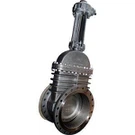
First off, let's understand what flat or slab gate valves are. These valves are designed with a flat gate that moves up and down to either allow or block the flow of fluid. They're pretty straightforward in their operation and are known for their ability to provide a tight shut - off. The flat gate valve is commonly used in various industries because of its simplicity and reliability.
Now, when it comes to chemical plants, the environment is a whole different ballgame. Chemical plants deal with a wide range of chemicals, from corrosive acids to highly reactive substances. The conditions can be extreme, with high pressures, high temperatures, and the presence of abrasive materials. So, can flat or slab gate valves hold up in such a tough environment?
One of the key advantages of flat or slab gate valves in chemical plants is their tight shut - off capability. In a chemical plant, preventing leaks is crucial. A small leak can lead to the release of hazardous chemicals, which can be a safety hazard for the workers and the environment. The flat gate design of these valves creates a tight seal when closed, reducing the risk of leaks.
Another benefit is their relatively simple construction. With fewer moving parts compared to some other types of valves, there's less that can go wrong. This means lower maintenance requirements and less downtime for the plant. And in a chemical plant where continuous operation is often the goal, minimizing downtime is a big plus.
However, there are also some challenges to using flat or slab gate valves in chemical plants. One of the main issues is corrosion. Many chemicals used in chemical plants are highly corrosive. If the valve isn't made from the right materials, it can quickly deteriorate. That's why it's important to choose valves made from corrosion - resistant materials such as stainless steel or special alloys.
Abrasion is another concern. Some chemical processes involve the movement of abrasive particles. These particles can wear down the valve components over time, affecting its performance. To combat this, valves can be designed with hardened surfaces or wear - resistant liners.
Let's talk about the Flat Bottom Brake Seat. This is an important component of some flat or slab gate valves. It helps in providing a better seal and can improve the overall performance of the valve. In a chemical plant, a well - designed flat bottom brake seat can make a big difference in preventing leaks and ensuring smooth operation.
When it comes to standards, the API Gate Valve is a well - known standard in the industry. Many chemical plants prefer to use valves that meet API standards. These valves are designed to meet strict quality and performance requirements, which is essential in a high - risk environment like a chemical plant.
In terms of pressure and temperature ratings, flat or slab gate valves can be designed to handle a wide range of conditions. But it's crucial to select the right valve based on the specific requirements of the chemical process. For example, if the process involves high - pressure steam, a valve with a high - pressure rating is needed.
Now, let's consider the different types of chemicals that are commonly found in chemical plants. Acids like sulfuric acid and hydrochloric acid are extremely corrosive. Valves used in areas where these acids are present need to be made from materials that can withstand their corrosive effects. On the other hand, some chemicals are more viscous, and the valve design needs to be able to handle the flow of these thick fluids without getting clogged.
In addition to the chemical properties, the flow rate also matters. Some chemical processes require a high flow rate, while others need a more controlled, low - flow rate. Flat or slab gate valves can be adjusted to handle different flow rates, but the sizing of the valve needs to be appropriate for the specific application.
Installation is also an important factor. In a chemical plant, proper installation of the valve is essential for its correct operation. The valve needs to be installed in the right orientation, and the piping connections need to be secure. Any mistakes during installation can lead to problems down the line.
Maintenance of flat or slab gate valves in a chemical plant requires a proactive approach. Regular inspections should be carried out to check for signs of wear, corrosion, or other issues. Lubrication of moving parts, if required, should be done according to the manufacturer's recommendations.
Training the plant workers on how to operate and maintain the valves is also crucial. They need to know how to properly open and close the valves, as well as how to recognize signs of potential problems.
In conclusion, flat or slab gate valves can definitely be used in chemical plants, but it's not a one - size - fits - all solution. Careful consideration needs to be given to the chemical properties, pressure, temperature, flow rate, and other factors. By choosing the right valve materials, design features, and following proper installation and maintenance procedures, these valves can be a reliable choice for chemical plants.
If you're in the chemical plant industry and are considering using flat or slab gate valves, I'd love to talk to you. We can discuss your specific requirements and find the best valve solutions for your plant. Feel free to reach out to us to start a conversation about your valve needs.


References
- Valve Handbook, Various Authors
- Chemical Engineering Process Safety, Terry A. Kletz