

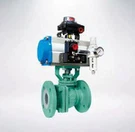
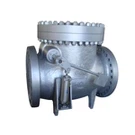
Can a straight globe valve be used in a vacuum system? That's a question I get asked a lot as a supplier of Straight Globe Valves. In this blog, I'll share my insights on whether these valves are suitable for vacuum applications, and why you might want to consider them.
Let's start by understanding what a straight globe valve is. A straight globe valve is a type of valve that uses a disk-shaped closure element to control the flow of fluid through a pipe. It's called a "straight" globe valve because the flow path through the valve is straight, unlike some other types of globe valves that have a more angled or curved flow path.
Now, let's talk about vacuum systems. A vacuum system is a system that operates at a pressure below atmospheric pressure. These systems are used in a wide range of industries, including manufacturing, research, and aerospace. In a vacuum system, it's important to have valves that can effectively control the flow of gas or vapor while maintaining a tight seal to prevent leaks.
So, can a straight globe valve be used in a vacuum system? The answer is yes, but there are some important factors to consider.


Sealing Performance
One of the most critical aspects of using a valve in a vacuum system is its sealing performance. A straight globe valve can provide a good seal when properly designed and installed. However, the quality of the seal depends on several factors, including the type of sealing material used, the design of the valve seat, and the operating conditions.
For vacuum applications, it's essential to use a valve with a high-quality sealing material that can withstand the low pressures and potential outgassing. Some common sealing materials for vacuum valves include elastomers, such as Viton or EPDM, and metal-to-metal seals. Elastomer seals are often preferred for their flexibility and ability to provide a tight seal, but they may not be suitable for all vacuum applications, especially those with high temperatures or aggressive chemicals. Metal-to-metal seals, on the other hand, can offer excellent sealing performance at high temperatures and pressures, but they may require more precise machining and installation to ensure a proper seal.
Valve Design
The design of the straight globe valve also plays a crucial role in its suitability for vacuum systems. A well-designed valve should have a smooth flow path to minimize turbulence and pressure drop, which can affect the performance of the vacuum system. Additionally, the valve should be designed to prevent the accumulation of debris or contaminants, which can compromise the sealing performance and lead to leaks.
Some straight globe valves are specifically designed for vacuum applications and feature unique design elements, such as a bellows seal or a pressure seal. A Bellow Sealed Globe Valve uses a bellows to provide a hermetic seal between the valve stem and the valve body, preventing any leakage along the stem. This type of valve is often used in applications where a high level of sealing integrity is required, such as in semiconductor manufacturing or pharmaceutical processing. A Pressure Seal Globe Valve, on the other hand, uses a pressure-assisted sealing mechanism to provide a tight seal at high pressures. This type of valve is commonly used in power generation and oil and gas applications.
Operating Conditions
The operating conditions of the vacuum system also need to be considered when selecting a straight globe valve. Factors such as temperature, pressure, flow rate, and the type of gas or vapor being handled can all affect the performance of the valve.
For example, if the vacuum system operates at high temperatures, the valve material and sealing material need to be able to withstand the heat without degrading or losing their sealing properties. Similarly, if the system operates at high pressures, the valve needs to be designed to handle the pressure without leaking or failing.
Advantages of Using a Straight Globe Valve in a Vacuum System
Despite the challenges, there are several advantages to using a straight globe valve in a vacuum system:
- Flow Control: A straight globe valve provides excellent flow control capabilities, allowing for precise regulation of the flow of gas or vapor through the system. This is important in many vacuum applications, where precise control of the flow rate is necessary to achieve the desired process results.
- Versatility: Straight globe valves are available in a wide range of sizes, materials, and configurations, making them suitable for a variety of vacuum applications. Whether you need a small valve for a laboratory vacuum system or a large valve for an industrial process, there is a straight globe valve that can meet your needs.
- Reliability: When properly designed and maintained, straight globe valves can provide reliable performance over a long period of time. They are less prone to wear and tear compared to some other types of valves, which can reduce the need for frequent maintenance and replacement.
Considerations for Selecting a Straight Globe Valve for a Vacuum System
If you're considering using a straight globe valve in a vacuum system, here are some key considerations to keep in mind:
- Valve Size: The size of the valve needs to be selected based on the flow rate and pressure requirements of the vacuum system. A valve that is too small may not be able to handle the flow rate, while a valve that is too large may result in excessive pressure drop and inefficient operation.
- Material Selection: The valve material and sealing material need to be compatible with the gas or vapor being handled in the vacuum system. Consider factors such as temperature, pressure, and chemical compatibility when selecting the materials.
- Certifications and Standards: Make sure the valve meets the relevant industry standards and certifications for vacuum applications. This ensures that the valve has been tested and approved for use in a vacuum environment.
- Manufacturer Reputation: Choose a reputable manufacturer with a proven track record of producing high-quality valves for vacuum applications. A reliable manufacturer will be able to provide technical support and assistance throughout the selection, installation, and maintenance process.
Conclusion
In conclusion, a straight globe valve can be used in a vacuum system, but it's important to carefully consider the sealing performance, valve design, operating conditions, and other factors to ensure its suitability. When properly selected and installed, a straight globe valve can provide reliable flow control and sealing performance in a vacuum environment.
If you're in the market for a straight globe valve for your vacuum system, I encourage you to explore our range of Straight Globe Valves. We offer a variety of valve sizes, materials, and configurations to meet your specific needs. Our team of experts is also available to provide technical support and assistance to help you select the right valve for your application.
If you have any questions or would like to discuss your requirements further, please don't hesitate to get in touch. We're here to help you find the best valve solution for your vacuum system.
References
- Valve Handbook, by Robert W. Fischer and David A. Stine
- Vacuum Technology Handbook, by A. Roth
- ASME B16.34 - Valves - Flanged, Threaded, and Welding End