

Can a metal seated ball valve be automated?
In the dynamic landscape of industrial fluid control, the question of whether a metal seated ball valve can be automated is not just relevant but crucial for businesses aiming for efficiency, precision, and reliability. As a dedicated supplier of metal seated ball valves, I've witnessed firsthand the transformative power of automation in this field. In this blog, we'll delve into the feasibility, benefits, and considerations of automating metal seated ball valves.
Understanding Metal Seated Ball Valves
Before we explore automation, let's briefly understand what metal seated ball valves are. These valves are designed with a ball-shaped disc that rotates within the valve body to control the flow of fluids. The seating surfaces of the valve are made of metal, which provides excellent durability, resistance to high temperatures, and the ability to handle abrasive and corrosive media. Metal seated ball valves are commonly used in industries such as oil and gas, power generation, chemical processing, and pulp and paper.
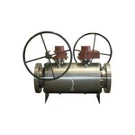
There are different types of metal seated ball valves available, each with its own unique features and applications. For example, the Seated Ball Valve offers reliable shut-off capabilities, while the V Port Ball Valve provides precise flow control. The Floating Type Ball Valve is suitable for low to medium-pressure applications, offering flexibility and cost - effectiveness.
Feasibility of Automation
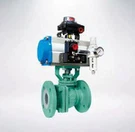
The short answer is yes, a metal seated ball valve can be automated. Automation involves integrating the valve with an actuator, which is a device that provides the necessary force to open and close the valve. There are several types of actuators available, including electric, pneumatic, and hydraulic actuators.
Electric actuators are popular for their ease of installation, precise control, and the ability to be integrated with control systems. They are suitable for applications where a high level of accuracy is required, such as in chemical dosing systems. Pneumatic actuators, on the other hand, are known for their fast operation and high torque output. They are commonly used in applications where rapid valve actuation is necessary, such as in emergency shutdown systems. Hydraulic actuators offer even higher torque capabilities and are often used in heavy - duty applications where large valves need to be operated.
The design of metal seated ball valves allows for easy integration with actuators. The valve stem can be directly connected to the actuator, ensuring a seamless transfer of motion. Additionally, the robust construction of metal seated ball valves makes them capable of withstanding the forces exerted by the actuator during operation.
Benefits of Automating Metal Seated Ball Valves
1. Improved Efficiency
Automation eliminates the need for manual operation, which can be time - consuming and labor - intensive. With automated valves, the opening and closing times can be precisely controlled, reducing the overall process time. This leads to increased productivity and throughput in industrial processes.
2. Enhanced Precision
Automated metal seated ball valves can be programmed to open and close at specific intervals or in response to certain process parameters. This level of precision is difficult to achieve with manual operation, especially in applications where accurate flow control is critical. For example, in a chemical reactor, automated valves can ensure the precise addition of reactants, improving the quality of the final product.
3. Remote Operation
One of the significant advantages of automation is the ability to operate valves remotely. This is particularly useful in hazardous or hard - to - reach locations. Operators can monitor and control the valves from a central control room, reducing the risk of exposure to dangerous conditions.
4. Reliability
Automated systems are less prone to human error. Once programmed, the valves will operate consistently, reducing the likelihood of process disruptions due to incorrect valve operation. Additionally, automated valves can be equipped with diagnostic features that can detect and alert operators to potential problems before they cause significant issues.


Considerations for Automation
1. Compatibility
When selecting an actuator for a metal seated ball valve, it is essential to ensure compatibility. The actuator should have the appropriate torque and speed ratings to match the valve's requirements. Additionally, the actuator's control system should be compatible with the overall process control system.
2. Maintenance
Automated valves require regular maintenance to ensure optimal performance. This includes checking the actuator for proper functioning, lubricating moving parts, and inspecting the valve for wear and tear. A well - maintained automated valve will have a longer service life and fewer breakdowns.
3. Cost
Automation does come with an additional cost. The cost of the actuator, installation, and programming should be considered when evaluating the feasibility of automation. However, the long - term benefits in terms of efficiency, precision, and reliability often outweigh the initial investment.
Conclusion
In conclusion, automating a metal seated ball valve is not only feasible but also offers numerous benefits for industrial applications. As a supplier of metal seated ball valves, I am committed to providing high - quality valves that are suitable for automation. Whether you are looking for a Seated Ball Valve, V Port Ball Valve, or Floating Type Ball Valve, we have the expertise and products to meet your needs.
If you are considering automating your metal seated ball valves or have any questions about our products, we encourage you to reach out to us. Our team of experts is ready to assist you in selecting the right valve and actuator combination for your specific application. Contact us today to start a conversation about how we can help you improve your industrial fluid control processes.
References
- "Industrial Valves: Selection and Sizing" by James E. Ousley
- "Valve Handbook: Principles and Applications" by J. S. Tuzson