

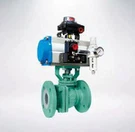
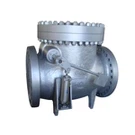
Hey there! As a check valve supplier, I often get asked if check valves can be used in a chemical processing plant. Well, the short answer is yes! But let's dive deeper into this topic to understand why and how check valves play a crucial role in chemical processing.
The Basics of Check Valves
First off, let's quickly go over what a check valve is. A check valve is a simple yet incredibly useful device that allows fluid (liquid or gas) to flow in one direction only. It has a mechanism that automatically opens when the fluid flows in the right direction and closes when there's a reverse flow. This prevents backflow, which can cause all sorts of problems in a system.
There are different types of check valves, each with its own unique design and function. Some common types include swing check valves, lift check valves, and Ball Float Pattern Rubber Lined Check Valve. The choice of check valve depends on various factors such as the type of fluid, pressure, temperature, and the specific requirements of the application.
Why Check Valves are Essential in Chemical Processing Plants
In a chemical processing plant, there are numerous processes that involve the transfer of chemicals from one place to another. These chemicals can be corrosive, toxic, or highly reactive. Any backflow of these chemicals can lead to contamination, equipment damage, and even safety hazards. That's where check valves come in.
Preventing Contamination
One of the primary reasons for using check valves in chemical processing plants is to prevent contamination. Chemicals are often stored in different tanks or vessels, and they need to be transferred in a controlled manner. A check valve ensures that the chemicals flow in the intended direction and don't mix with other substances due to backflow. For example, if you're transferring a corrosive acid from one tank to a reaction vessel, a check valve will prevent the acid from flowing back into the supply line and potentially corroding the pipes or other equipment.
Protecting Equipment
Chemical processing equipment can be very expensive. Backflow of chemicals can cause damage to pumps, valves, and other components. Check valves act as a safeguard by preventing reverse flow and protecting the equipment from the harmful effects of backflow. For instance, a Steam Extraction Check Valve can prevent steam from flowing back into the extraction system, which could damage the steam turbine or other steam-related equipment.
Ensuring Safety
Safety is of utmost importance in a chemical processing plant. Backflow of toxic or flammable chemicals can pose a serious threat to the safety of the workers and the environment. Check valves help to minimize these risks by maintaining the proper flow direction of the chemicals. In case of a sudden pressure drop or system failure, the check valve will close automatically, preventing the release of hazardous chemicals.
Types of Check Valves for Chemical Processing
As mentioned earlier, there are different types of check valves suitable for chemical processing. Let's take a closer look at some of them.
Ball Float Pattern Rubber Lined Check Valve
This type of check valve is ideal for applications where the fluid contains solids or is highly viscous. The rubber lining provides excellent corrosion resistance, making it suitable for handling corrosive chemicals. The ball float mechanism ensures a tight seal when the valve is closed, preventing any backflow. You can learn more about it here.


Steam Extraction Check Valve
Steam is commonly used in chemical processing plants for heating, power generation, and other purposes. A Steam Extraction Check Valve is designed to prevent the backflow of steam into the extraction system. It is typically used in steam turbines and other steam-related equipment to ensure efficient operation and prevent damage.
Dual Plate Check Valve
The Dual Plate Check Valve is a popular choice in chemical processing plants due to its compact design and quick closing action. It has two plates that pivot open when the fluid flows in the right direction and close rapidly when there's a reverse flow. This type of valve is suitable for high-pressure applications and can handle a wide range of fluids.
Considerations When Choosing a Check Valve for Chemical Processing
When selecting a check valve for a chemical processing plant, there are several factors to consider.
Chemical Compatibility
The first and most important factor is the chemical compatibility of the valve materials with the fluid being handled. Different chemicals have different corrosive properties, and the valve materials need to be able to withstand the chemical environment. For example, if you're handling a strong acid, you'll need a valve with a corrosion-resistant lining such as rubber or PTFE.
Pressure and Temperature
The pressure and temperature conditions in a chemical processing plant can vary widely. The check valve needs to be able to operate safely and effectively under the specific pressure and temperature conditions of the application. Make sure to choose a valve with a suitable pressure and temperature rating.
Flow Rate
The flow rate of the fluid also plays a role in choosing the right check valve. You need to select a valve with a flow capacity that matches the requirements of the system. A valve that is too small may cause excessive pressure drop, while a valve that is too large may not function properly.
Installation and Maintenance
Proper installation and maintenance are crucial for the reliable operation of check valves in a chemical processing plant.
Installation
During installation, make sure to follow the manufacturer's instructions carefully. The valve should be installed in the correct orientation to ensure proper flow direction. Also, ensure that the valve is properly connected to the piping system and that there are no leaks.
Maintenance
Regular maintenance is necessary to keep the check valve in good working condition. This includes inspecting the valve for any signs of wear or damage, cleaning the valve components, and replacing any worn-out parts. It's also a good idea to perform periodic pressure tests to ensure that the valve is functioning properly.
Conclusion
In conclusion, check valves are an essential component in a chemical processing plant. They play a vital role in preventing contamination, protecting equipment, and ensuring safety. With the right type of check valve and proper installation and maintenance, you can ensure the efficient and reliable operation of your chemical processing system.
If you're in the market for high-quality check valves for your chemical processing plant, I'd love to help. Just reach out to me, and we can discuss your specific requirements and find the perfect check valve solution for you. Let's work together to keep your chemical processing operations running smoothly!
References
- "Chemical Engineering Handbook" by Perry and Green
- "Valve Handbook" by Crane Co.