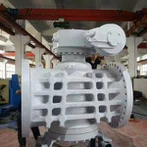
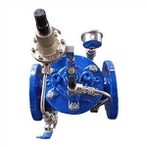
The metal seat surface of the power station globe valve spool is designed to match the metal seat surface of the valve seat ring, but the contact angle is slightly different. Normally, the valve plug has a larger angle than the seat ring taper. This annular mismatch ensures a narrow point of contact that is only a fraction of the total operator's axial force transmitted to the valve seat, resulting in the tightest possible metal-to-metal closure possible. In most constructions, the seat ring of the manual globe valve is threaded into the valve body. Again, a tool is required to rotate the seat ring in a limited space.
There are also certain disadvantages for threaded seats:
First, in corrosive or harsh conditions, the threads can corrode, making disassembly difficult.
Second, additional grinding is required to align the valve plug and seat.
Structural form and characteristics of globe valve
Another common guide type of manual globe valve is the valve seat guide structure. Here the valve stem is supported by an upper guide (which acts like a packing gland). The outside diameter of the extension of the valve plug head acts as a second guide surface to guide the valve seat. This means that the lower guide surface remains within the flow layer, so the process medium is cleaner. The lower portion of the spool head has openings that allow the flow of material to move through the spool head to the valve seat during the valve seat opening process. Changing the size and shape of these openings can affect the reduced flow and flow characteristics. Because the length between the upper and lower guides is at the maximum length, side cock movement due to process streams is not an issue, and the tolerances required for this type of guide are not like double top stem guides as strict as the device. This construction reduces the chance of any vibration of the spool in operation. When the valve plug and valve seat are made of the same material, metal surface wear can occur during prolonged or frequent operation. High temperatures can cause thermal expansion and seizure.