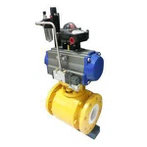
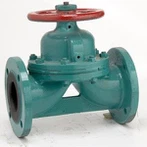
The installation location of the pressure relief valve (pressure relief valve) is critical to ensure system safety. The following are common installation locations and related considerations for pressure relief valves
1. Pressure vessels and reactors
Installation location
Top or side: The pressure relief valve is usually installed on the top or side of the pressure vessel or reactor to quickly release gas or steam when the pressure exceeds the set value.
Vapor space: Make sure the pressure relief valve is connected to the vapor space of the container to avoid liquid blocking the valve.
Reason
Prevent overpressure: During chemical reactions or heating processes, the pressure in the container may increase, and the pressure relief valve can prevent the container from rupturing or exploding.
Safety standards: Comply with relevant safety regulations and standards, such as ASME specifications.
Example
Steam boiler: The pressure relief valve is installed on the top of the boiler to prevent excessive steam pressure.
Chemical reactor: Install a pressure relief valve on the top of the reactor to protect the equipment from overpressure damage.
2. Piping system
Installation location
High point or overpressure section: Install a pressure relief valve at a location in the piping system where overpressure may occur, such as pump outlet, heat exchanger, valve downstream, etc.
Avoid dead spots: Ensure that the pressure relief valve is installed in a position where the fluid flows smoothly to prevent the accumulation of media.
Reason
Protect pipelines and equipment: Prevent pipeline rupture or equipment damage caused by pressure fluctuations or improper valve operation.
Prevent water hammer effect: In liquid pipelines, pressure relief valves can alleviate pressure shocks caused by rapid valve closure.
Example
Long-distance pipelines: Install pressure relief valves at the outlet of the pump station to protect the pipeline from overpressure.
Thermal pipelines: Install pressure relief valves at high points of steam pipelines to prevent excessive pressure.
3. Storage tanks and storage equipment
Installation location
Vapor space: For storage tanks storing gas or volatile liquids, the pressure relief valve is installed in the gas phase space to prevent liquid from entering the valve.
Outside the fire dike: For storage tanks for flammable and explosive media, the discharge port of the pressure relief valve should be led outside the fire dike to ensure safety.
Reason
Prevent tank damage: When the temperature changes or the filling is overfilled, the pressure relief valve can release excess pressure to prevent the tank from deformation or rupture.
Environmental protection: Prevent the medium from leaking into the environment, causing pollution or fire risks.
Example
Liquefied petroleum gas storage tank: Install a pressure relief valve on the top of the tank to prevent a sharp increase in pressure due to temperature increase.
Chemical storage tank: Install a pressure relief valve on the tank storing flammable liquids to ensure safety.
4. Heat exchangers and heating equipment
Installation location
Outlet side: Install a pressure relief valve on the outlet side of the heat exchanger or heating equipment to prevent overpressure caused by thermal expansion or blockage.
High temperature and high pressure section: Install at the location where the highest pressure and temperature may occur in the equipment.
Reason
Equipment protection: Prevent the heat exchanger from being damaged due to excessive pressure and extend the life of the equipment.
Process stability: Maintain system pressure balance to ensure process stability.
Example
Steam heater: Install a pressure relief valve at the steam side outlet to prevent excessive pressure.
High temperature reactor: Install a pressure relief valve at the reactor outlet to protect equipment safety.
5. Other key locations
Installation location
Safety valve group: In situations where multiple pressure relief valves are required, a safety valve group can be installed for centralized management.
Downstream of the isolation valve: Install a pressure relief valve downstream of the isolation valve or control valve to prevent pressure from rising when the valve is closed.
Reason
System redundancy: Improve the safety and reliability of the system.
Operational safety: During maintenance and overhaul, the pressure relief valve can provide additional safety protection.
Example
Oil refinery: Install a safety valve group at the outlet of the key process unit to ensure system safety.
Nuclear power plant: Install multiple pressure relief valves in the reactor cooling system to prevent overpressure accidents.
Installation precautions
Correct direction: Ensure that the pressure relief valve is installed in the correct direction, and the medium flow direction should be consistent with the arrow indication on the valve body.
Avoid blockage: The discharge port of the pressure relief valve should be unobstructed to prevent medium accumulation or blockage.
Regular maintenance: Regularly inspect and maintain the pressure relief valve to ensure its reliable performance.
Comply with standards: Select a pressure relief valve that complies with relevant standards and specifications to ensure its applicability and safety.
Consider back pressure: Consider the effect of back pressure on the performance of the pressure relief valve at the installation location and install a back pressure balancing device if necessary.