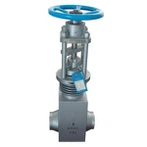
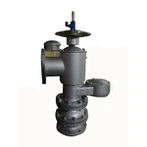
Purpose of pressure relief valve
Pressure relief valve, also known as safety valve or pressure relief valve, is an important safety device, mainly used to protect equipment, pipelines and systems from overpressure damage.
1. Prevent overpressure damage
Protect equipment safety: When the pressure exceeds the set value, the pressure relief valve automatically opens to release excess pressure to prevent equipment from rupture, explosion and other accidents due to overpressure.
Ensure system stability: By controlling the pressure within a safe range, ensure the stable operation of the system and extend the service life of the equipment.
Example
Boiler system: In a steam boiler, the pressure relief valve prevents the boiler from exploding due to excessive steam pressure.
Pressure vessel: In a container storing high-pressure gas or liquid, the pressure relief valve releases pressure in time when the pressure rises abnormally to protect the container.
2. Protect personnel and environmental safety
Prevent safety accidents: Avoid casualties and environmental pollution caused by overpressure.
Comply with safety regulations: Many industries have strict regulations on the safety of pressure equipment, and installing a pressure relief valve is a necessary measure to meet safety standards.
Example
Chemical production: During chemical reactions, pressure relief valves prevent reactors from being dangerous due to excessive pressure, protecting operators and the environment.
Nuclear power plants: In nuclear reactor cooling systems, pressure relief valves ensure that system pressure is within a safe range to prevent nuclear leaks.
3. Maintain system pressure balance
Stable operating conditions: During the process, keep pressure constant to ensure product quality and production efficiency.
Prevent backflow and vacuum: Some pressure relief valves can also prevent backflow of the medium or vacuum in the system to protect equipment and pipelines.
Example
Petroleum refining: In a refinery, pressure relief valves maintain pressure balance in each process unit to ensure continuous production.
Water supply system: Install a pressure relief valve at the outlet of the water pump to prevent water hammer caused by sudden valve closure and protect pipelines and equipment.
4. Respond to emergencies
Fire or external heat source: In emergencies such as fire, pressure relief valves can prevent equipment from being damaged due to a sharp increase in pressure caused by increased temperature.
External load changes: When pressure is abnormal, such as power failure or mechanical failure, the pressure relief valve provides protection.
Example
Storage tank area: Install pressure relief valves on storage tanks storing flammable and explosive liquids to prevent explosions caused by increased pressure in the tanks during fires.
Air conditioning system: In refrigeration systems, pressure relief valves prevent high pressure caused by condenser failure from damaging the compressor.
5. Comply with regulations and standards
Safety regulations: Countries have clear regulations and standards for the safety of pressure equipment, and installing pressure relief valves is a legal requirement.
Industry specifications: Standards such as ASME (American Society of Mechanical Engineers) and API (American Petroleum Institute) specify the design, installation and testing requirements of pressure relief valves.
Example
Pressure vessel manufacturing: According to ASME specifications, pressure vessels must be installed with standard pressure relief valves.
Industrial gas production: Production and storage equipment for industrial gases such as oxygen and nitrogen must comply with relevant safety standards and install pressure relief valves.
Summary
Pressure relief valves are key devices to ensure the safety of industrial production and equipment. Their main uses include
Preventing overpressure from damaging equipment
Protecting personnel and environmental safety
Maintaining system pressure balance
Responding to emergencies
Complying with regulations and standards
Proper selection, installation and maintenance of pressure relief valves are essential to ensure safe and stable operation of the system.