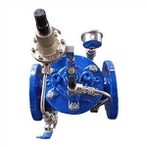
There can be several problems associated with globe valves. Here are a few common issues:
Leakage: Globe valves can experience leakage due to wear and tear or improper sealing. This can lead to fluid or gas escaping through the valve when it is supposed to be closed, resulting in reduced efficiency and potential safety hazards.
Sticking or Binding: Over time, globe valves may develop issues with sticking or binding, making it difficult to open or close the valve smoothly. This can be caused by factors such as dirt, debris, or inadequate lubrication.
Corrosion: If the globe valve is exposed to corrosive substances or environments, the internal components may corrode. Corrosion can impair the valve's functionality, leading to leakage, restricted flow, or complete failure.
Low Flow Capacity: Compared to other valve types, globe valves tend to have a relatively lower flow capacity. In applications where high flow rates are required, globe valves may not be the most suitable choice.
High Pressure Drop: Globe valves can cause a significant pressure drop across the valve when fully open. This can result in decreased efficiency and increased energy consumption in systems where pressure is a critical factor.
Limited Application Range: Globe valves are generally better suited for applications that require moderate flow control rather than full open or full shut-off operations. They may not be ideal for processes that demand rapid and frequent valve adjustments.
It's important to note that not all globe valves will encounter these problems, and their occurrence can depend on factors such as valve quality, maintenance practices, operating conditions, and the specific application in which the valve is used. Regular maintenance and proper selection of valves based on the intended application can help mitigate many of these issues.