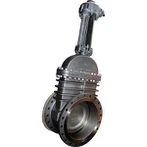
A self-regulating valve and a control valve are both types of valves used to regulate the flow, pressure, or other process parameters in fluid systems. However, there are differences between these two types of valves based on their primary modes of operation and control:
Self-Regulating Valve:
A self-regulating valve is designed to automatically maintain a specific process parameter (such as pressure or temperature) within a set range without the need for external control signals.
It operates based on the principles of physics and mechanics, utilizing mechanisms like springs, diaphragms, or other self-actuating elements to achieve the desired regulation.
Self-regulating valves are often used in applications where the process needs to be maintained within a certain range without continuous external intervention. Examples include pressure relief valves, pressure-reducing valves, and thermostatic valves.
Control Valve:
A control valve is a valve that operates based on external control signals to regulate the flow, pressure, temperature, or other process variables in a system.
It is typically part of a control loop that includes sensors, controllers, and actuators. The control loop continuously measures the process variable, compares it to a desired setpoint, and sends control signals to the valve actuator to adjust the valve's position accordingly.
Control valves offer more precise and dynamic control over the process variables. They can be used to maintain specific process conditions, allow for fine-tuning, and respond to changes in the system's demands.
Examples of control valves include globe valves, ball valves, and butterfly valves equipped with actuators for automated control.
In summary, the main difference lies in the level of automation and external control involved in the operation of these valves:
Self-Regulating Valve: Operates automatically based on internal mechanisms to maintain a specific process parameter within a predetermined range without continuous external control.
Control Valve: Operates based on external control signals from a control system to maintain process variables at a desired setpoint, allowing for more precise and responsive regulation.
Both types of valves serve important roles in various industries, and the choice between them depends on the specific requirements of the application and the level of control needed.