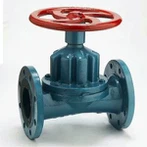
A butterfly valve typically consists of the following parts:
1.Body: The main body of the valve, which houses the internal components.
2.Disc: The disc is the component that rotates inside the valve body to control the flow of fluid. It is usually circular in shape and mounted on a stem.
3.Stem: The stem is a rod that connects the disc to the actuator outside the valve body, and enables the disc to rotate to open or close the valve.
4.Actuator: The actuator is the mechanism that operates the valve, either manually or automatically. It can be a lever, gear, pneumatic or electric motor, or other device.
5.Seat: The seat is the part of the valve body where the disc comes into contact to form a seal and prevent fluid from leaking out of the valve.
6.Packing: The packing is a flexible material used to seal the space between the stem and the valve body, preventing fluid from leaking out along the stem.
7.Bearings: The bearings are components that support the stem and allow it to rotate smoothly within the valve body.
8.Bolts and nuts: These are used to attach the valve body to the piping system and to secure the other components in place.
The specific design and construction of a butterfly valve may vary depending on the intended application and the manufacturer.