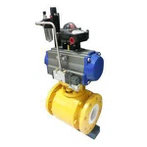
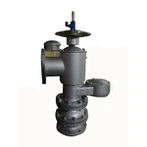
How to maintain the valve
The valve is a control component in the pipeline fluid conveying system. It is used to change the passage section and the flow direction of the medium. It has the functions of diversion, cut-off, throttling, non-return, diversion or overflow pressure relief. Valves used for fluid control, from simple shut-off valves to various valves used in extremely complex automatic control systems, have a wide range of varieties and specifications. The nominal diameter of the valve ranges from extremely small instrument valves to industrial diameters up to 10m. Valves for pipelines. It can be used to control the flow of various types of fluids such as water, steam, oil, gas, mud, various corrosive media, liquid metals and radioactive fluids. The working pressure of the valve can be from 0.0013MPa to 1000MPa ultra-high pressure, and the working temperature can be c-270℃ ultra-low temperature to 1430℃ high temperature.
Valve maintenance:
1. Valves stored for a long time should be inspected regularly. The exposed processing surface should be kept clean and clear of dirt. When storing, the ball valve should be blocked at both ends and in an open state, and the two ends of the gate valve, stop valve and check valve channel should be blocked. It is closed and stored neatly in a ventilated and dry place indoors. Stacking or open storage is strictly prohibited.
2. Before installation, you must carefully check the pressure of the valve mark, whether the passage meets the requirements for use, eliminate the defects caused by the transportation process, and eliminate the dirt on the valve parts.
3. When installing, the valve connection method can be directly installed on the pipeline. Under normal circumstances, it can be installed at any position in the pipeline, but it needs easy-to-operate maintenance. Note that the medium flow direction of the stop valve should be upward from the vertical valve flap, and the lift check valve can only be installed horizontally.
4. When ball valves, globe valves, and gate valves are used, they are only fully open or fully closed, and are not allowed to be used for flow adjustment, so as to avoid erosion of the sealing surface and accelerate wear. The gate valve and the upper thread stop valve are equipped with a secret method device, and the hand wheel is turned to the upper position and tightened to prevent the medium from leaking from the packing.
5. Use handwheels when opening and closing ball valves, globe valves, and gate valves. Do not use levers or other tools to avoid damage to the valves. Turn the handwheel clockwise to close, and vice versa to open.
6. The bolts of the packing gland should be evenly tightened, and should not be pressed into a crooked state, so as to avoid bruising, hindering the movement of the valve stem or causing leakage.
7. The valve should always be kept clean during use, and the transmission thread must be regularly lubricated. When a fault is found, it should be stopped immediately, and the cause should be found to clear the fault.