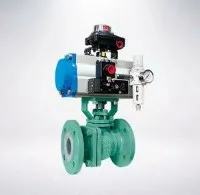
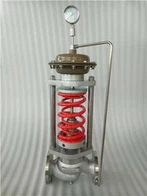
The primary difference between resilient seated and metal seated valves lies in the materials used for the valve seats. This difference significantly impacts their sealing properties, temperature and pressure capabilities, applications, and maintenance requirements. Here's a comparison between resilient seated and metal seated valves:
Resilient Seated Valves:
Seating Material: Resilient seated valves have a seating surface made of a flexible, elastomeric material such as rubber, EPDM, NBR, or a similar synthetic compound.
Sealing Performance: The elastomeric seat conforms to the contours of the gate or disc, providing a tight and effective seal. This design ensures bidirectional sealing, making them suitable for applications where the flow direction may vary.
Operating Torque: Resilient seated valves generally require lower operating torque due to the reduced friction between the flexible seat and the gate or disc. This feature simplifies actuation and reduces wear on valve components.
Temperature and Pressure Limitations: Resilient seated valves are best suited for low to medium-pressure applications and moderate temperatures. They may have limitations in high-temperature and high-pressure environments.
Applications: Resilient seated valves are commonly used in water supply systems, sewage treatment plants, irrigation systems, and other applications where reliable shut-off and bidirectional sealing are crucial.
Metal Seated Valves:
Seating Material: Metal seated valves have a seating surface made of metal, typically stainless steel or other alloys. The metal-to-metal contact provides a robust seal.
Sealing Performance: Metal seated valves offer excellent sealing performance even under high-pressure and high-temperature conditions. Their metal seats provide a reliable and tight seal, reducing the risk of leakage.
Operating Torque: Metal seated valves may require higher operating torque due to the metal-to-metal contact between the seat and the gate or disc. Actuation systems may need to be more robust to handle this higher torque.
Temperature and Pressure Capabilities: Metal seated valves are suitable for a wide range of temperatures and pressures, making them ideal for demanding applications that involve extreme conditions.
Applications: Metal seated valves are commonly used in high-temperature processes, refining, petrochemical, and industrial applications where tight shut-off is essential, and the system operates under challenging conditions.
In summary, resilient seated valves are more cost-effective and suitable for general-purpose applications with moderate pressure and temperature requirements. On the other hand, metal seated valves are designed for more demanding conditions, offering higher pressure and temperature capabilities along with superior sealing performance. The choice between the two types depends on the specific needs and conditions of the application.