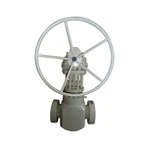
A soft-seated ball valve is a type of ball valve that features a seat made from soft materials to provide a tight sealing mechanism. This design offers advantages such as effective sealing, reduced friction, and minimal wear and tear. Soft-seated ball valves are commonly used in applications where a bubble-tight seal and positive shut-off are critical.
Here are key features and considerations related to soft-seated ball valves:
Seat Material:
Soft-seated ball valves use materials such as PTFE (polytetrafluoroethylene), TFM (tetrafluoroethylene perfluoromethylvinylether), or other fluoropolymer compounds as the seating material. These materials are known for their resilience, chemical resistance, and low friction.
Bubble-Tight Seal:
The soft seat provides a bubble-tight seal, ensuring that there is minimal or no leakage when the valve is in the closed position. This is crucial in applications where fluid leakage is not permissible.
Low Operating Torque:
The use of soft materials for the seat reduces the operating torque required to open and close the valve. This can be beneficial in applications where manual operation or low-torque actuation is preferred.
Bi-Directional Sealing:
Soft-seated ball valves are often designed to provide bi-directional sealing, meaning they can effectively seal in both the upstream and downstream directions.
Reduced Wear and Tear:
The soft-seated design minimizes wear and tear on the ball and seat, contributing to the longevity and reliability of the valve.
Suitable for Clean Services:
Soft-seated ball valves are suitable for applications where the fluid being handled is clean and does not contain abrasive particles that could compromise the soft seat material.
Applications:
Chemical Processing:
Soft-seated ball valves are commonly used in chemical processing industries where resistance to corrosive chemicals and positive shut-off are critical.
Water and Wastewater Treatment:
These valves are suitable for water and wastewater treatment applications where a tight seal is necessary to control the flow of liquids.
Pharmaceuticals:
Soft-seated ball valves are used in pharmaceutical applications where contamination-free operation and precise fluid control are essential.
Food and Beverage:
In the food and beverage industry, soft-seated ball valves are employed for their sanitary design and effective sealing properties.
Laboratory and Research:
Laboratories and research facilities use soft-seated ball valves for their ability to provide a reliable and tight seal in various fluid-handling applications.