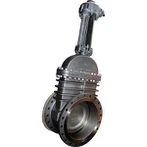
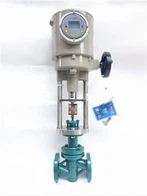
With the rapid spread of coronavirus, the healthcare and pharmaceutical industries are at the forefront of the fight against covid-19. The production of all critical medical equipment needed to cure patients with covid is increasing. Industrial valves play an important role in the manufacture of different types of medical devices, and several key industry participants have seized the opportunity to fight the deadly coronavirus pandemic. For example, Emerson's valves can manage pressure release, keep equipment and materials in sterilizers and oxygen therapy equipment clean to help high-risk patients or rehabilitated patients, and support blood analyzers and other important hematological equipment. The company's high-pressure and high-purity valves also provide oxygen supply to temporary and remote hospitals and triage centers.
In addition, Emerson has manufactured a series of micro instrument level valves for analytical and medical equipment, and the company has witnessed the growing demand of oxygen therapy equipment suppliers for the first time. In addition, today's new beds are equipped with pneumatically driven airbags designed to improve patient comfort. Emerson makes valves for these gas beds. With the surge in demand for hospital beds, Emerson's valves are largely adopted by hospital bed manufacturers. The company's ASCO series provides a series of related or similar valves, as well as valves with different functions, such as pinch valves, which can be used in medical equipment. The company also provides a series of ASCO solenoid valves for hospital beds.
In addition, the company is increasingly investing in research and development related to automation components such as solenoid valves supplied to the pharmaceutical industry. Similarly, pharmaceutical companies seek to develop complex fluid handling systems, such as automatic disinfectant dispensers and liquid soap dispensers, which in turn generate a demand for valves. Therefore, the growth of medical device production and the increase of R & D investment in pharmaceutical field have promoted the growth of industrial valve market.
Constraints: lack of standardized norms and management policies
Valve manufacturers are required to comply with certain codes and regulations. Different regions have different certification and policies for valves. Due to the wide applicability of valves in various industries such as oil and gas, food and beverage, pharmaceutical, energy and power, water and wastewater treatment, construction and construction, chemicals and pulp and paper, this factor leads to the diversity of demand. However, this diversity hinders the growth of the valve market because industry participants must modify the same product according to regional policies, which makes it difficult for valve manufacturers to achieve the ideal installation cost. In order to solve this problem, they must invest resources to build manufacturing facilities around the world, so they need additional funds.