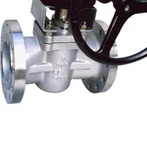
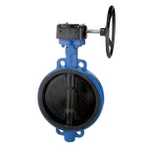
When selecting the right butterfly valve, several factors need to be considered to ensure that it meets the specific application needs. Here are some key points to consider
1. Fluid characteristics
Media Type: Understand the type of fluid to be processed, such as gas, liquid, mud, corrosive media, etc. Different media have different requirements for the material and sealing performance of butterfly valves.
Temperature: Determine the temperature range of the fluid in order to select butterfly valve materials and seals that can withstand this temperature range.
Pressure: Understand the pressure in the pipeline to ensure that the selected butterfly valve has adequate pressure resistance.
Flow: Select the right butterfly valve size according to flow requirements to ensure smooth flow.
2. Working conditions
Environmental conditions: Consider the working environment of the butterfly valve, such as whether there is corrosive gas, vibration, high or low temperature.
Operating frequency: Determine the operating frequency of the butterfly valve to select the appropriate driving mode and structure type.
3. Material selection
Body material: According to the corrosion of the medium, temperature and pressure to choose the appropriate body material, such as cast iron, carbon steel, stainless steel, alloy steel, etc.
Sealing material: For occasions that require good sealing performance, corrosion resistance, high temperature resistance and wear resistance should be selected, such as rubber, polytetrafluoroethylene (PTFE) and so on.
4. Sealing performance
Sealing structure: Consider choosing butterfly valves with double or triple eccentric structure to improve sealing performance. These structures can better prevent media leakage.
Sealing surface treatment: understand the treatment of sealing surface, such as surfacing carbide, spraying ceramics, etc., to improve the wear resistance and corrosion resistance of the sealing surface.
5. Flow regulation and truncation
Flow characteristics: Select the right type of butterfly valve according to the needs of flow regulation, such as middle-line butterfly valve, double eccentric butterfly valve or three eccentric butterfly valve. These butterfly valves have different flow characteristics and are suitable for different regulation requirements.
Truncation performance: For occasions where strict truncation is required, butterfly valves with good sealing performance should be selected, and additional auxiliary sealing devices should be considered to improve the truncation effect.
6. Drive mode
Manual operation: suitable for small pipes and occasions that do not require frequent operation.
Automatic operation: For large systems or occasions where frequent flow control is required, automatic operation modes such as electric, pneumatic or hydraulic can be selected.
7. Accessories optional
According to the need to select the appropriate accessories, such as position indicators, manual operation devices, electric devices, etc., in order to better control the operation of the butterfly valve and monitor its status.
8. Brand and quality
Choose well-known brands and have a good reputation of butterfly valve suppliers to ensure product quality and after-sales service. These brands usually have a more stringent quality control system and a more perfect after-sales service network.